
Benefits of Vitamin C Serum for Skin
Vitamin C has been touted as an essential nutrient for centuries: first to prevent scurvy, then to treat the common cold.
Now it’s become huge in the world of skincare, with experts recommending vitamin C serum for all manner of skin ailments and issues.
But what, exactly, is vitamin C serum, and what can it actually do for your skin?
Read on and find out why vitamin C serum deserves a place in your skincare routine.
What Is Vitamin C Serum?

Vitamin C, also known as ascorbic acid, is a vitamin that’s essential for your health.
Humans are one of the few animals that can’t synthesize their own vitamin C, so we need to get it through our diet.
Citrus fruits, tomatoes, potatoes, melons, peppers, berries, kiwifruit, broccoli, peas and many other fresh fruits and veggies contain vitamin C. If you eat a lot of produce, you probably consume high amounts of vitamin C.
But the vitamin C you get in your diet doesn’t necessarily make it to your skin. The rest of your body needs it, too, and it’s more critical for many of your other organs than it is for your skin.
Thankfully, your skin can still get plenty of vitamin C with the help of vitamin C serums.
Vitamin C serums are topical treatments that contain high concentrations of vitamin C. When applied, the serum is absorbed directly into your skin, so you can give it a direct dose of this essential vitamin.
Bypassing your digestive system lets your skin get its vitamin C quickly and in high enough quantities for it to benefit your complexion.
How Does Vitamin C Benefit the Skin?
Boosts Hydration
Vitamin C isn’t just vitamin C. It also comes in many different derivatives, one of which is particularly good for your skin.
Magnesium ascorbyl phosphate is a vitamin C derivative that’s often used in skincare for its hydrating properties. Some research suggests it can help thirsty skin hold on to moisture.
This soothes and quenches dehydrated skin, enabling it to look its best and function at full capacity.
Brightens Your Complexion
Citrus fruits have been used as skin lighteners across many time periods and cultures.
That’s because the vitamin C they contain is excellent at reducing dullness, smoothing the skin and making your complexion glow.
So if you’ve ever heard of lemon, orange or other citrus fruits being used to brighten the skin, now you know why!

- Helps brighten dull-looking skin and even the appearance of skin tone.
- Adds moisture for a smoother, more radiant-looking complexion.
- Layers under moisturizer with a lightweight, non-greasy gel texture.
Reduces Redness and Inflammation
Whether your skin is red from environmental irritation, acne or a bad reaction to a product, vitamin C can help.
Its anti-inflammatory properties calm irritated skin and reduce ruddiness, making you feel more comfortable and more confident.
And if your redness and inflammation are caused by skin conditions like eczema or rosacea, check with a dermatologist first: vitamin C isn’t an established treatment for these conditions, and acidic formulas can sting reactive skin.
Smooths Wrinkles and Fine Lines

If you’re feeling dismayed about your ever-deepening wrinkles and fine lines, a vitamin C serum may be just what you need.
Vitamin C helps your skin make collagen, the protein that keeps it firm, so with steady use it can soften the look of fine lines.
Reduces Hyperpigmentation
The dark spots and patches that form on your skin as you age are the result of overactive, tightly packed melanocytes — the cells that produce melanin, your skin’s pigment.
Melanocytes activate in response to UV light and environmental damage. Once they’re active, they’re unlikely to go away on their own, resulting in long-lasting hyperpigmentation.
But vitamin C inhibits your melanin production, preventing future hyperpigmentation. It also reduces existing hyperpigmentation without affecting your natural skin tone.
Gets Rid of Under Eye Circles
Dark, puffy under eye circles can be difficult to live with, and even more difficult to get rid of.
But vitamin C serums can work wonders on them.
The thin, sensitive skin under your eyes needs extra hydration, which vitamin C readily provides. And darkened, discolored skin is no match for vitamin C’s brightening, skin tone-evening properties.
Promotes Collagen Production
Starting in your 20s, your skin’s collagen production decreases by around 1% a year.
Without collagen, your skin begins to lose its shape, stretching and sagging over time. It becomes weaker, thinner and less resistant to damage.
Your skin needs vitamin C to build and stabilize collagen, the protein that helps keep it firm. A well-formulated serum may help improve signs of sun damage over time—give it consistent use rather than expecting an overnight transformation.
Protects Against UV Damage
When your skin is exposed to UV rays from the sun, unstable molecules called free radicals begin to damage your skin.
These molecules steal electrons from your skin’s collagen, causing rapid aging and other problems. Free radicals also directly damage your skin cells, which results in DNA damage over time.
But vitamin C’s antioxidant properties make it extremely effective against free radicals. The vitamin C molecules in your skin neutralize free radicals by providing them with electrons, allowing your skin cells and proteins to remain whole.
If you’re exposed to UV radiation, you need all the help you can get in the fight against free radicals. That’s why using a vitamin C serum is especially important for those who spend a lot of time in the sun.
How Often Should Vitamin C Serum Be Used?
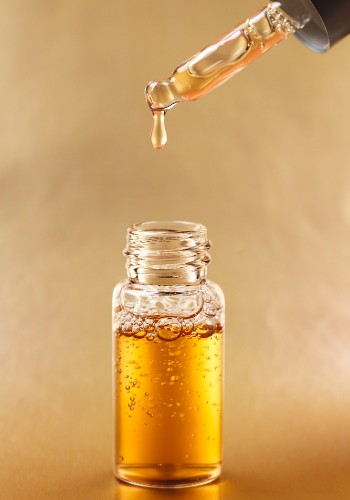
Most people tolerate topical vitamin C well enough to use it once or twice a day.
To make sure your skin can handle it, do a patch test on a small, inconspicuous area of your skin and wait 24 hours. If you don’t have an adverse reaction, you can use the serum on your face.
Apply the serum after your cleanser and toner but before your moisturizer. Toning before using the serum is especially important since toner helps your skin absorb other products.
Are There Any Side Effects from Vitamin C Serum?
When used as directed, vitamin C serum carries very little risk of side effects.
However, if you have sensitive skin, you may develop a rash, hives or redness after using vitamin C serum.
If this occurs, you may need to decrease the strength of your vitamin C serum. A 5% serum is generally gentle enough for sensitive skin but strong enough to have benefits for your skin.
You can then try gradually increasing the strength of your serum until you find the right balance.
Another option is trying a different form of vitamin C. L-ascorbic acid, the most common form found in serums, is more irritating than other forms like magnesium ascorbyl phosphate.

- Helps boost your skin's glow with a vitamin C derivative formulated for sensitive skin.
- Absorbs quickly and layers easily under moisturizer, sunscreen or makeup.
- Keeps the serum better protected from oxidation with an airless pump.
How to Get Rid of Skin Pigmentation

Revitalize & Renew: Unveiling the Secret of Retinol