Skin Age Test: What It Can’t Tell You – and How to Keep Skin Youthful
You know how old you are, and you have a pretty good idea of how old you look.
But do you know the functional age of your skin?
Is it firm, strong and smooth like a 20-something’s? Or does it stretch, sag and tear like a 70-year-old’s?
A quick test may sound like an easy answer. Let’s look at what it can—and can’t—tell you, then explore the habits that help your skin look and feel its best.
Can a Quick Test Reveal Your Skin’s Age?
What the Pinch Test Measures
You may have seen a test that involves pinching the skin on your hand and timing how quickly it settles.
That spring-back is called skin turgor. It can be influenced by hydration and other factors, so timing it at home won’t give you a reliable skin-age score.
Why the Age Scores Don’t Add Up
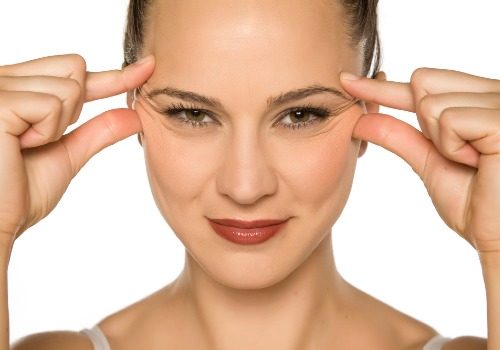
A quick pinch might get you curious about your skin, but it can’t reveal its age. Hydration, age and other factors affect how quickly skin springs back, so there’s no reliable birthday hidden in the stopwatch.
What’s Causing My Skin to Age?

You don’t need a skin-age score to build helpful habits. These six factors can influence how your skin looks and feels over time.
Sun and UV Exposure
Perhaps the most notorious contributor to aging skin, the sun is a tough foe to contend with.
After all, unless you live at the poles, there’s no escaping it for much of the year. Its powerful rays can penetrate through clouds and glass, so your skin absorbs them even when you’re not basking in sunlight.
The sun’s damage is multifaceted. UV rays damage the DNA in your skin cells, impairing your ability to produce healthy new ones and increasing your risk of developing cancer.
Mutated cells can’t produce enough quality collagen and elastin to allow your skin to maintain its texture and shape. This leads to wrinkling, sagging, roughness, discoloration, and thinning — in other words, aging.
The sun also dehydrates your skin, and thirsty skin is even worse at healing itself, producing new cells and remaining youthful.
That’s why sun protection is so important if you want to prevent aging. Wear a broad-spectrum sunscreen with a minimum SPF of 30 every single day, and reapply it every two hours for continuous coverage.

- Pairs moisture with broad-spectrum SPF 40 protection when used as directed.
- Helps skin feel softer and fine lines look less noticeable through hydration.
- Works alone or under makeup, making daily sun protection easier to fit in.
Poor Diet and Bad Habits

The phrase “you are what you eat” isn’t just a cliche — it’s the truth. A low-quality diet leads to low-quality skin.
Greasy foods with low nutritional values don’t provide your skin with the vitamins and minerals it needs. All they provide it with is oil, salt and sugar, leading to reduced cell functioning and old, tired-looking skin.
But if you switch to fresh produce, whole grains and lean proteins, your skin cells will become energized and start working overtime to reduce the signs of aging.
Nutrients to prioritize for skin health include iron, zinc, selenium, vitamin A, vitamin C, vitamin E and vitamin K. All of these play essential roles in skin cell functioning, collagen production and overall youthfulness.
And a good diet goes hand in hand with good habits. Smoking, drinking alcohol and using drugs are all terrible for your skin, and you’ll see a big difference if you give them up.
Lack of Hydration
Dehydrated skin cells are unhappy skin cells.
Unfortunately, as you get older, your skin’s ability to retain moisture decreases. This stresses your skin out, weakening it and accelerating aging.
Without proper hydration, your skin can’t produce the collagen it needs to thrive. Thankfully, there are many ways to remedy this.
The most obvious: drink more water! The average adult needs at least eight glasses of water a day to keep their whole body (including the skin) hydrated.
If that sounds like too much water to drink, you can also supplement your hydration by eating more water-rich foods. Fresh fruits and vegetables, milk, cottage cheese and soup all have high water contents, providing a delicious way to hydrate.
Finally, you can ensure that your skin is always hydrated by using skincare products that contain humectants (hydrators) and emollients (moisturizers).
Humectants like hyaluronic acid deliver water right to your skin cells, while emollients like squalane create a barrier to lock moisture into your skin.
Environmental Pollution
In our increasingly polluted world, many living things are suffering due to the lack of pure air and water.
And those living things include us and our skin.
Smoke, exhaust, chemical nanoparticles, manufacturing byproducts, heavy metals, smog and other pollutants clog your skin, suffocating and poisoning it.
The stress caused by pollutants rapidly accelerates aging. And stressed-out skin is even less capable of dealing with pollution, creating a downward spiral of worsening skin.
Depending on where you live, it can be tough to escape pollution. But you can give your skin a helping hand by using an air purifier in your home, car, office and other areas where you spend a lot of time.
You can also help by getting plenty of antioxidants in your diet and your skincare routine. Antioxidants fight free radicals — cell destroyers that form in your skin in response to pollution.

- Helps brighten dull-looking skin and even the appearance of skin tone.
- Adds moisture for a smoother, more radiant-looking complexion.
- Layers under moisturizer with a lightweight, non-greasy gel texture.
Inadequate Sleep

“Beauty sleep” may not fly as an excuse for being late to work, but that doesn’t mean it’s not real!
During sleep, your body focuses on healing from damage, replacing dead cells and replenishing exhausted energy stores. Blood flow increases and your cells work overtime getting you ready for a new day.
Your skin needs this period of rest as much as the rest of your body. While you’re unconscious, it’s busy repairing the previous day’s UV damage, smoothing out your complexion and producing new, healthy skin cells.
But if you’re not getting enough sleep, or if the sleep you’re getting is poor quality, these processes can’t go on as planned. You’ll wake up looking worn-out, disheveled and, yes, older.
If you suffer from insomnia or other sleep problems, getting them under control can completely transform your skin. Eight hours of quality, uninterrupted sleep will give your skin the time it needs to keep itself looking young.
Psychological Stress
Ever gotten a bad breakout in response to a stressful event? Do your fine lines seem to come and go depending on how relaxed you are?
If so, then you know firsthand how much your mental state can impact your skin. It’s not all in your head — it’s a matter of internal chemistry.
When you’re stressed out, your body produces a hormone called cortisol. Cortisol suppresses your immune system, leaving you susceptible to illness and reducing your skin’s ability to heal itself.
Chronic stress is also linked to shorter telomeres, the protective caps on the ends of your chromosomes. This causes cells to die faster and increases the likelihood of low-quality cells being produced in the future.
One study showed that high levels of anxiety accelerated aging by an average of six years compared to low anxiety.
Much of life’s stress can’t be avoided, but by learning how to cope with it, you can slow the onset of aging — and feel healthier overall.
Mindfulness meditation, spending time in nature and deep breathing exercises are all excellent, effective ways to manage stress and look young for many years to come.
How to Improve Skin Elasticity
13 Anti-Aging Tips from Dermatologists