Breaking the Breakout Cycle: How to Get Rid of Forehead Acne
You thought you had your acne under control, but lately you’ve been battling breakouts on your forehead that just won’t go away.
Why do these pimples love your forehead so much? And what can you do to get rid of them for good?
Read on to find out what’s causing your forehead acne, then learn the best ways to banish it once and for all.
What Causes Forehead Acne?
Shampoo, Conditioner and Other Hair Products
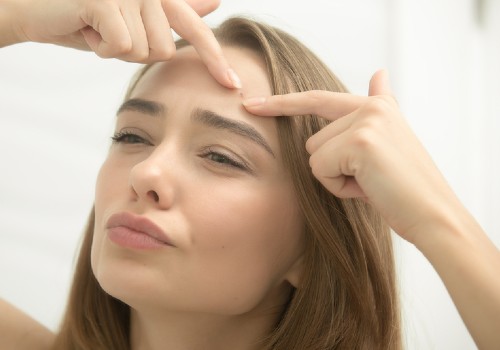
If you use products like gels, waxes, oils or pomades in your hair, they may be responsible for your forehead acne.
Thick and greasy hair products help you keep your hair looking sharp, but they have the opposite effect on your skin. They clog your pores, causing oil and bacteria to build up and form breakouts.
Heavy shampoos and conditioners can also cause forehead acne, especially if you have bangs or if you don’t rinse them out of your hair thoroughly enough.
Not Enough Exfoliation
Regardless of your skin type, you should be exfoliating at least once a week.
Without exfoliation, dead cells will build up on your skin, causing a rough texture and uneven appearance.
Even worse, those dead skin cells mix with oil and clog your pores, trapping the sebum that acne-causing bacteria feed on.
The bacteria then take up residence in your skin and cause your acne to flare up.
The longer you go without exfoliating, the more time those bacteria have to wreak havoc on your skin. It’s a vicious cycle that regular exfoliation helps break.
Too Much Sun Exposure
You know that the sun is bad for your skin due to its cancer-causing UV rays.
But did you know that the sun can also cause acne, especially on the forehead?
The heat from the sun makes you sweat, which in turn causes oil to build up in your skin. And we all know what oil buildup means: breakouts.
Because your scalp and forehead contain more sweat glands than the rest of your face, you’re more likely to break out there after being in the sun.
Using the Wrong Kind of Sunscreen

Your sunscreen may be protecting you from UV damage, but it could also be causing your breakouts.
Many sunscreens contain comedogenic (pore-clogging) ingredients such as oils, lanolins, alcohols, stearates, sulfates and fatty acids. If your skin is acne-prone, using sunscreens that contain these ingredients will likely produce pimples.
Look for a sunscreen that specifically states that it’s non-comedogenic to mitigate your risk of forehead acne.

- Helps protect against UVA and UVB rays with broad-spectrum SPF 46 when used as directed.
- Gives acne-prone skin daily sun protection without a greasy feel.
- Helps improve the appearance of uneven tone and discoloration with niacinamide.
Hormonal Imbalances
When your hormone production increases, so does your skin’s oil production.
And more oil means more acne.
Hormonal changes can be caused by your menstrual cycle, stress levels and aging. Various medical conditions, especially those related to the thyroid or pituitary gland, and many medications can also affect your hormones.
If your forehead acne seems to come and go with your menstrual cycle, or if it flares up when you’re stressed out, chances are that hormones are to blame.
Too Much Fat and Sugar in Your Diet
Your diet plays a big part in your oil production. The nutritional value of the foods you eat will be reflected in the condition of your skin.
Eating greasy food won’t make your skin greasy, but a diet high in sugary, high-glycemic foods may make breakouts worse.
And excess sugar consumption increases the stress on your body as it works to process and remove the sugar. This stress weakens your immune system and increases oil production, both of which can lead to breakouts.
Dirty Pillowcases and Bedding
Your pillowcases and sheets are hotspots for acne-causing bacteria, especially if you don’t shower before bed.
All night long, bacteria move from your face to your bedding and back again. Your pillowcases also collect dead skin cells and other detritus while you sleep, giving the bacteria everything they need to reproduce.
Washing your bedding, especially your pillowcases, frequently can make a huge difference in the severity of your acne.
Popping Pimples on Your Forehead
Sometimes it’s tough to resist popping pimples, especially the giant, pressurized ones that appear on your forehead.
But when you pop that pimple, you’re releasing a ton of bacteria and oil all over the rest of your face.
If you’re not careful, you’ll also create a larger wound at the pimple site, opening the door for even more bacteria to come in.
You should be touching your face as little as possible anyway, but definitely keep those fingers off that forehead pimple. Better to deal with one pimple than a forehead covered in them!
How to Get Rid of Forehead Acne
Forehead Acne Cleansing
If you don’t cleanse your skin, acne will be inevitable.
That’s why the first step in clearing up your forehead acne is choosing the right cleanser.
Look for gentle, non-comedogenic cleansers formulated for sensitive or acne-prone skin. Avoid strong cleansers as these may irritate your skin and make your acne worse.
You should also look for cleansers with active ingredients like benzoyl peroxide or salicylic acid. Benzoyl peroxide kills acne-causing bacteria, and salicylic acid helps unclog pores as the cleanser whisks away dirt and grime.
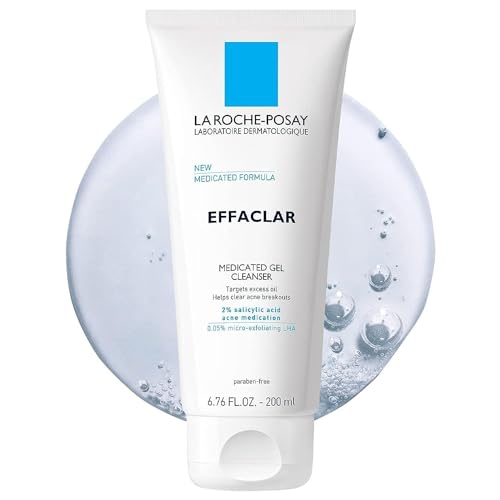
- Helps clear acne breakouts with 2% salicylic acid.
- Removes excess surface oil so skin feels less oily after cleansing.
- Lifts impurities without rough scrub particles.
The Best Toner for Acne
Using a toner after cleansing helps to restore your skin’s pH, remove leftover dead skin, reduce oil production and tighten your pores.
All of these effects make your skin much less hospitable for acne-causing bacteria.
You’ll want a toner that contains both exfoliating and hydrating ingredients.
Salicylic acid is a common exfoliant found in toners, and witch hazel is a common astringent. For hydrators, look for hyaluronic acid, vitamin C, glycerin and aloe vera.
Suitable toners include NxN’s Acne Edit Toner and Proactiv’s Revitalizing Toner.
Avoid toners that contain alcohol and other comedogenic ingredients that may exacerbate your acne.
Light Moisturizing for Acne Control
Moisturizing is important even if you have acne-prone skin.
In fact, if you don’t moisturize, your skin may end up producing even more oil than it would otherwise!
Many acne products dry your skin out, making your oil glands work overtime to replenish your oil levels.
With that said, you don’t want to use a moisturizer that’s too rich, lest you clog your pores up. A light moisturizer is the way to go if you’re dealing with forehead acne.
Use a water-based gel moisturizer rather than an oil-based cream or lotion. As with cleansers and toners, look for a moisturizer that’s specifically formulated without comedogenic ingredients — it’ll say so on the label.
Deep Exfoliation with Chemical Peels
If you have forehead acne, a chemical peel can give you a clean, pimple-free slate to start your new acne control routine on.
A chemical peel completely removes the outer layer of your skin, revealing new skin underneath. Chemical peels for acne usually use salicylic acid in stronger concentrations than you can get over the counter.
It’s a fast, reliable, effective treatment, but there are side effects. Your skin will be very sensitive after undergoing a chemical peel, and many people find it uncomfortable or even painful.
Chemical peels should only be performed by professional estheticians or dermatologists. Do not try to do this yourself at home — the risks are too great.
Laser Therapy for Acne
For severe forehead acne, laser therapy may be the most effective treatment option.
During laser therapy, a special laser is pointed at your acne, penetrating deep into your skin. There, depending on the device, it can shrink your oil glands or kill acne-causing bacteria.
Laser therapy is performed in a dermatologist’s office and typically requires multiple sessions. Side effects include stinging, burning, redness, sensitivity, bruising and mild discoloration.
Natural Remedies for Forehead Acne
What About Coconut Oil?
Coconut oil has some antibacterial properties, but it’s highly comedogenic and can clog pores, so it’s best kept off acne-prone skin.
Aloe and Tea Tree Oil to Combat Acne
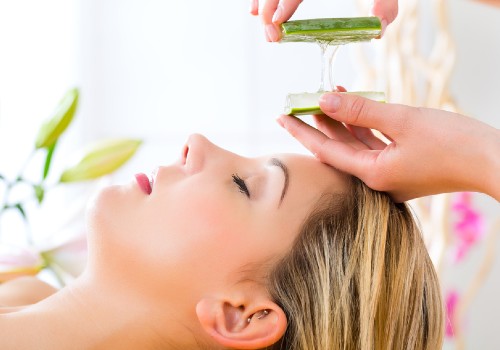
Tea tree oil is surprisingly good for your skin: it kills bacteria and reduces inflammation, leading to a clearer forehead.
And aloe vera gel isn’t just super-hydrating — it’s also antibacterial, antifungal and anti-inflammatory.
Together, these two natural ingredients can knock out your forehead acne with ease.
Mix 2-3 teaspoons of aloe gel with 3-4 drops of tea tree oil, apply the mixture to your face and leave it overnight.
In the morning, rinse your face with water and enjoy your hydrated, bacteria-free skin.
What About Apple Cider Vinegar?
Stubborn forehead acne can make a pantry remedy tempting. Skip the vinegar, though: it can irritate your skin, and good evidence that it treats acne is lacking. A product containing salicylic acid or benzoyl peroxide is a better-supported option—follow the label and start gently.

- Helps clear clogged pores and reduce the appearance of blackheads.
- Lifts away dead skin cells for a smoother, more even-looking complexion.
- Exfoliates without abrasive scrub particles, while adding hydration.
The Ideal Skincare Routine for Oily Skin
12 Dermatologist-Approved Tips for Clear Skin