

What Is LED Light Therapy? All Your Burning Questions, Answered
You’ve tried all kinds of treatments for your skincare woes: creams, serums, exfoliants, peels and even heavy-duty dermabrasion or laser therapy.
But what if there was a treatment that could address all of your skin problems without pain, discomfort or time-consuming routines?
Believe it or not, such a thing does exist: LED light therapy. Technology has enabled us to harness the power of light and put it to work at keeping your skin healthy and beautiful.
So how does it work, what does it do and is it safe? We’ve got the answers to all your questions right here.
Everything You Need to Know About LED Light Therapy
What Exactly Is LED Photon Light Therapy?
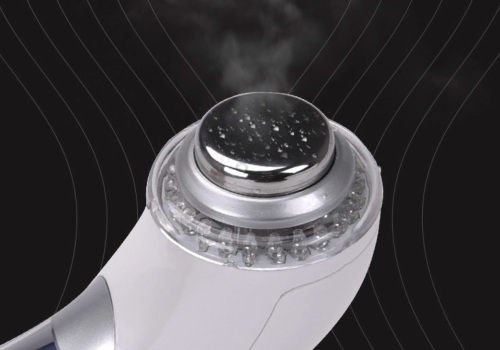
LED light therapy is a revolutionary way to address all manner of skin problems. Some LED devices can help with acne or signs of skin aging, but the results depend on the light and device being used. If you’re hoping to treat rosacea, eczema or psoriasis, let a dermatologist help you choose the right approach.
Even if your skin isn’t damaged, LED light therapy can make it more resilient against aging and environmental stressors. It can make your skin brighter, smoother and firmer, using only the power of light.
Originally used by NASA to grow plants in space, LED light therapy was found to have so many skin benefits that it’s now trusted by skincare professionals worldwide. It’s a non-invasive treatment that stimulates your body’s natural processes to improve skin health.
How Does LED Light Therapy Work?
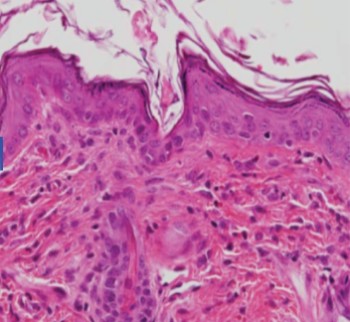
LED light therapy utilizes different wavelengths, or colors, of visible and near-infrared light to penetrate your skin and stimulate the cells within.
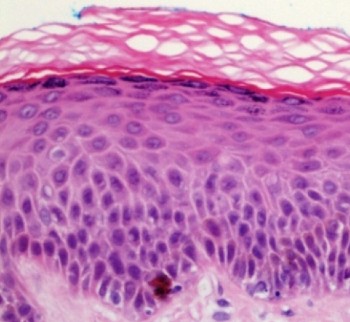
By absorbing the LED light, your skin cells become energized, producing more collagen and elastin. They can then repair damage, kill bacteria, reduce inflammation and revive your skin.
All you need to do is relax and let your skin absorb the light. It’s chemical-free, pain-free, and incredibly effective.
What Are the Different Types of Light Used in LED Light Therapy?
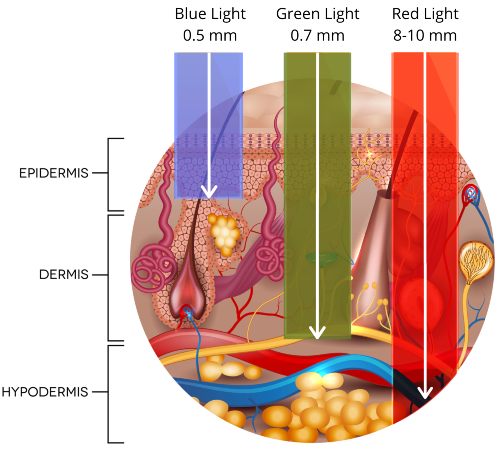
Most LED light therapy treatments involve three different wavelengths of light: red, blue and near infrared. Each light color has its own benefits for your skin.
Red Light LED Therapy
Red light is highly effective against the many signs of aging: wrinkling, discoloration, dryness and brittleness. It provides a natural boost of hydration, calms inflammation, improves circulation and speeds up cell regeneration and repair.
- Helps soften the look of fine lines with a peptide complex.
- Replenishes moisture overnight so tired-looking skin feels softer.
- Supports your skin's moisture barrier with three essential ceramides.
If you have rosacea, ask your dermatologist which light treatments, if any, suit your symptoms.
Blue Light LED Therapy
Blue light has antibacterial properties that have been proven effective against acne-causing bacteria. Blue LED light can help with some inflammatory acne, although irritation is still possible. Follow the device’s directions, use any required eye protection and give your skin a break if it becomes uncomfortable.
Don’t assume a blue-light acne device will treat eczema or psoriasis. Different conditions call for different treatment plans.
Near Infrared LED Light Therapy
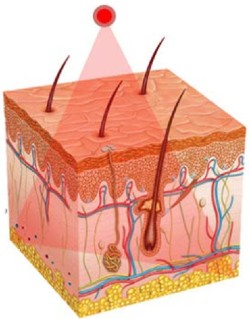
Near infrared light penetrates deeper than red or blue light, and thus has many different benefits. It improves elasticity, smooths out fine lines and wrinkles, relieves inflammation and reduces cystic acne.
How Is LED Light Therapy Different from Laser Therapy?
Laser therapy and LED light therapy both rely on the power of light to improve your skin. But there are a few key differences.
While LED light therapy stimulates your skin cells with light, laser therapy stimulates them with heat. Lasers deliver concentrated, high-energy light that heats or removes tissue, while LED light is much gentler and works without damaging the skin.
Additionally, laser therapy can sting, and darker skin (which absorbs more of the laser’s light) faces a higher risk of burns and pigment changes. LED light therapy is painless and suitable for all types and colors of skin.
What Should I Expect After LED Light Therapy?
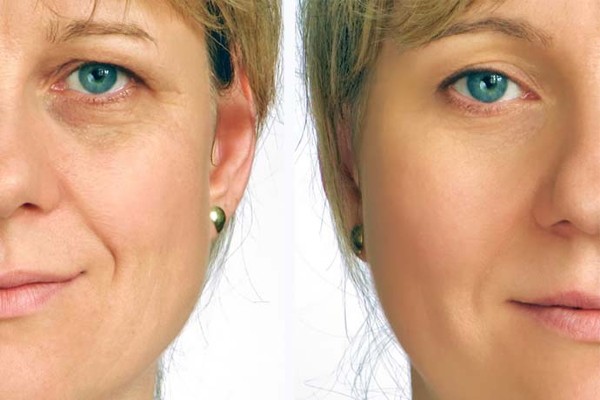
LED light therapy isn’t invasive, so there’s no recovery time after treatment. If anything, you’ll feel better than you did before you started, since your skin cells will be reenergized and rejuvenated.
Consistency is the key to seeing results from LED light therapy, so you’ll need to keep up with your sessions regularly. Generally, in-office treatment occurs once a week for several months, while at-home treatment can take place several times a week.

- Keeps skin soft with lasting hydration that feels light on your face.
- Fits comfortably under makeup or into your evening skincare routine.
- Helps sensitive skin retain moisture without added fragrance or essential oils.
How Long Will It Take for LED Light Therapy to Produce Results?
Many people begin to see results after the first session, but the best results occur with consistent, longer-term treatment. The effects of treatment become most noticeable after 8 to 12 weeks.
Are There Any Side Effects from LED Light Therapy? Is It Safe?
LED light therapy is non-invasive and is considered extremely safe. You won’t be exposed to any damaging UV rays or intense heat, just light.
However, you should avoid LED light therapy if you have an active rash or use any products that make your skin sensitive to sunlight. This includes medications that increase sun sensitivity, such as Accutane.
Side effects are very rare but may include irritation, rash, tenderness, redness, hives or pain at the treatment site. If you experience any of these effects, consult a doctor before continuing treatment.
How Much Does LED Light Therapy Cost?
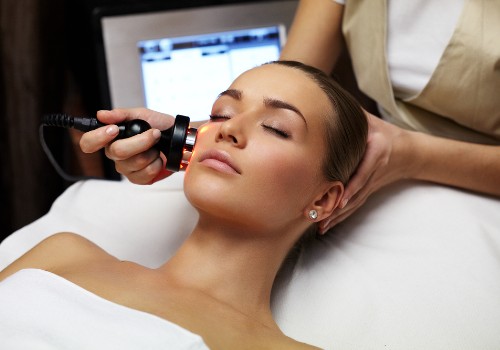
Compared to other skin treatments, LED light therapy can actually be quite affordable. The cost depends on whether you choose to have the procedure performed in an office or do it yourself at home.
In-office treatment varies greatly in cost depending on your area and the provider you choose. Most providers charge between $25 and $85 per session, and an initial round of 10 sessions is usually recommended.
If you use an at-home LED light therapy device, your only expense will be the cost of the device itself. Prices for these can range from just $25 to upwards of $400.
Our Recommendation:
Typically, you get what you pay for: a $25 LED light therapy device will likely be underpowered and ineffective. But a $350 device may produce results that are on par with those you’d get from in-office treatment.
Shopping for an LED Device? Here’s What to Check
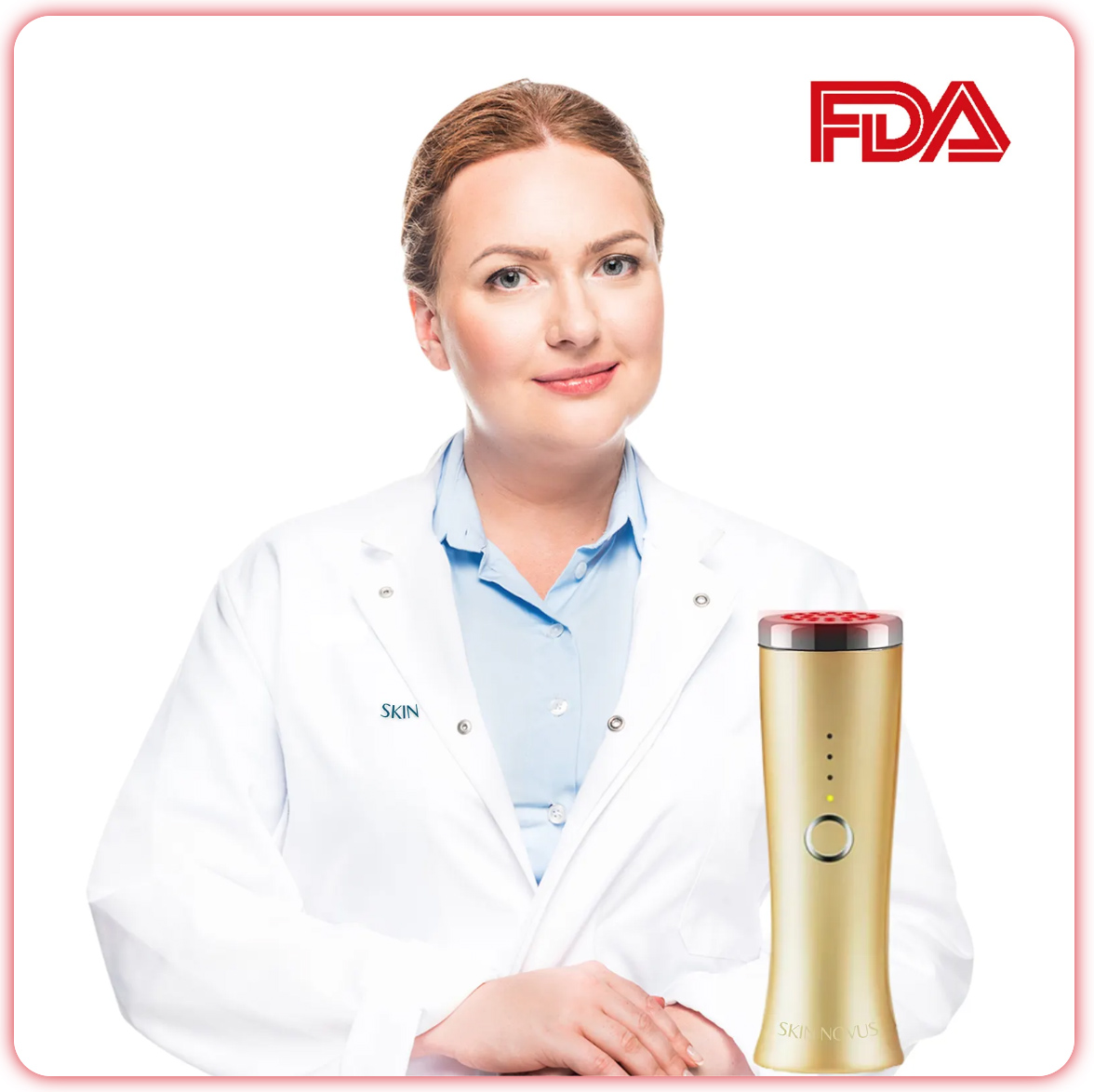
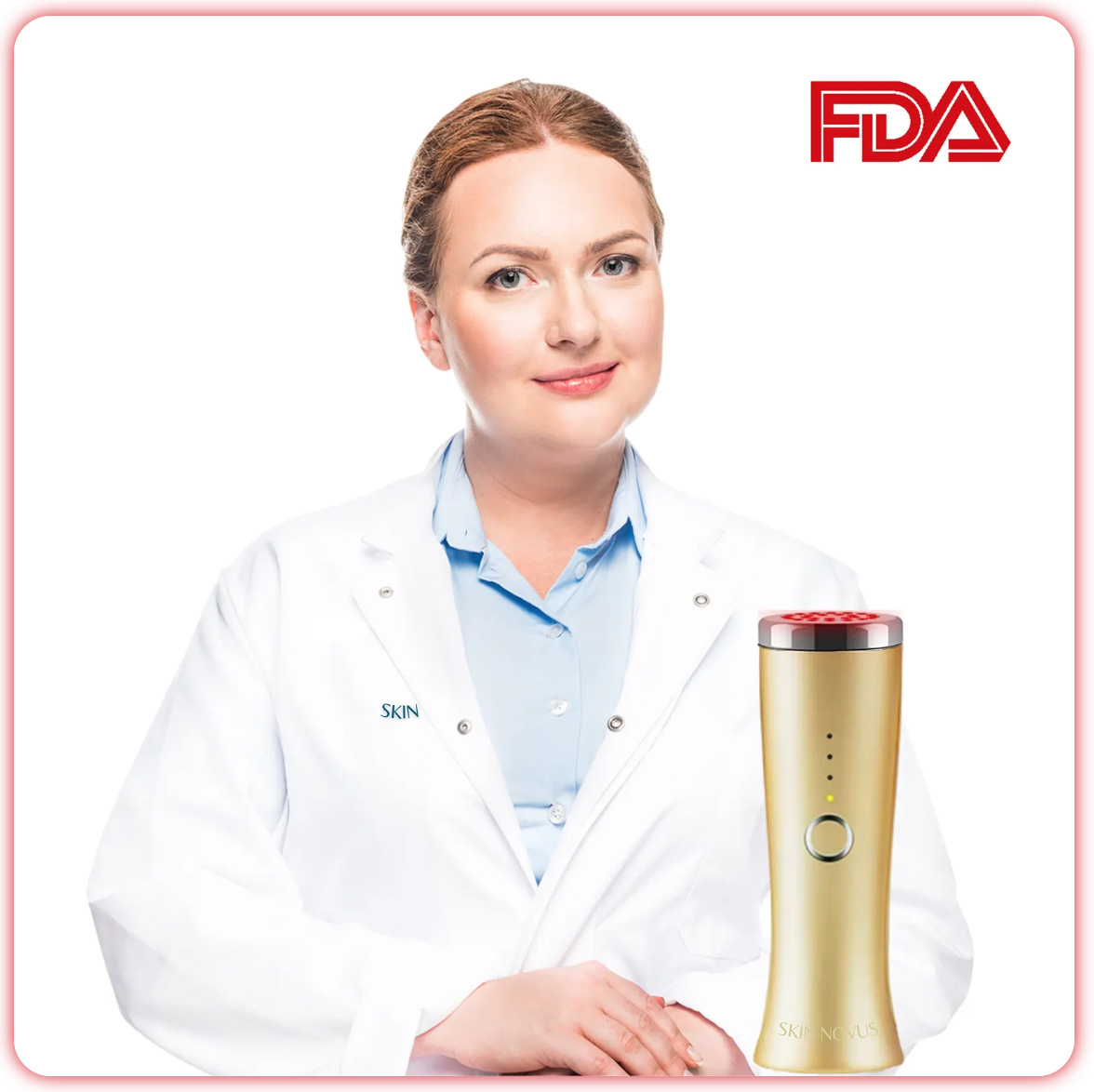
Look for evidence about the particular device rather than assuming every LED product delivers the same results. A clear treatment schedule and eye-protection instructions should be easy to find.
Check the exact model, its intended use and its safety instructions before buying. If a seller claims FDA clearance, make sure that clearance applies to the device and the treatment being advertised.
Fixing the Foundation: How to Rebuild Collagen in the Face

13 Anti-Aging Tips from Dermatologists