
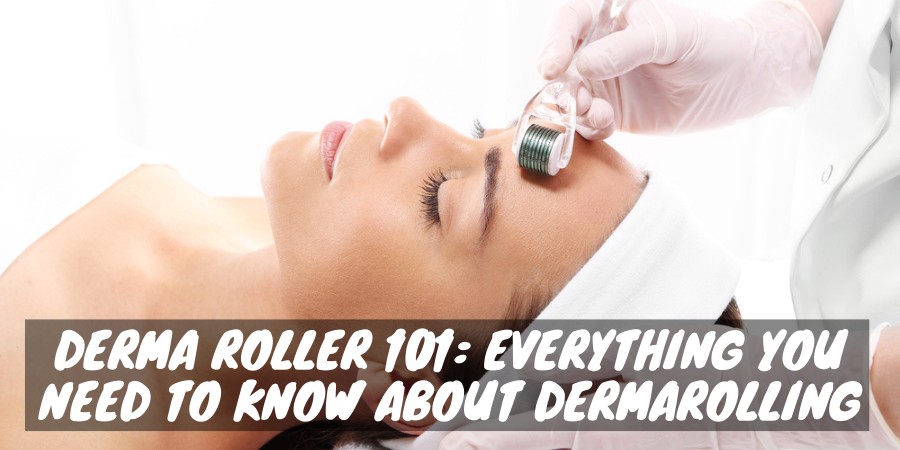
Derma Roller 101: Everything You Need to Know About Dermarolling
- What Is Dermarolling?
- What Are the Benefits of Dermarolling?
- How Do You Prepare for Dermarolling?
- What Happens During Professional Dermarolling?
- Is Dermarolling Painful?
- How Often Should You Use a Derma Roller?
- Which Derma Roller Needle Length Is Best for Me?
- Should I Do Dermarolling at Home or See a Professional?
- Are There Any Side Effects from Dermarolling?
- What Derma Roller Results Should I Expect?
If you’ve looked into anti-aging skincare treatments, you’ve probably encountered the term “dermarolling” before.
It’s touted as a fast, reliable way to smooth wrinkles, reduce scarring and rejuvenate your skin.
Home rollers are widely sold, but availability doesn’t tell you whether a treatment is suitable or safe for your skin.
But just what is dermarolling — and does it really work?
We’ve got everything you need to know about dermarolling right here. Read on to find out if it’s right for you.
What Is Dermarolling?
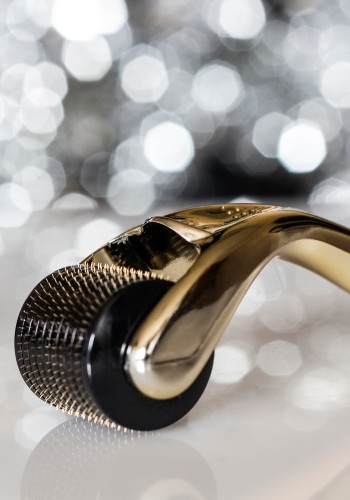
Dermarolling is a type of microneedling, which is just what it sounds like: the insertion of tiny needles into your skin, sort of like microscopic acupuncture.
But rather than targeting specific individual points, microneedling involves the creation of extremely small wounds all over your skin.
A derma roller is a tool that, at first glance, resembles a torture device. At the end of its handle sits a rolling cylinder covered in hundreds or even thousands of needles.
You roll the derma roller over your skin, allowing the needles to puncture it as you go.
So why would you possibly want to do that?
Well, as it turns out, there are a lot of reasons.
What Are the Benefits of Dermarolling?
Chances are, if you want to improve your skin and resolve chronic problems, a derma roller can help you.
The microscopic wounds produced by a derma roller actually help your skin in the long run. They cause an increase in collagen and elastin production — two proteins that are crucial for skin healing and youthfulness.
Your skin uses these proteins to repair the wounds caused by the derma roller. Then it puts any leftover proteins to work on preexisting skin issues.
These include wrinkles, fine lines, acne scarring, sagging skin, stretch marks, discoloration, blemishes and enlarged pores.
Even if you’re not concerned with any of these issues, the extra collagen and elastin will prevent them from forming in the future, keeping you looking younger for longer.
How Do You Prepare for Dermarolling?
Because microneedling creates tiny wounds, preparation matters. Here’s what to discuss with your clinician before an appointment.
Cleanse Your Skin
Follow your clinician’s instructions for cleansing before the visit. Tell them about active breakouts, rashes and any products or medicines you use.

- Removes makeup and excess oil while leaving skin feeling soft.
- Gives dry, sensitive skin a gentle cleanse without harsh cleansing agents.
- Keeps fragrance, dyes and essential oils out of your daily face wash.
Your clinician will prepare the treatment area using an appropriate skin-cleaning protocol. Wiping skin with alcohol at home does not make it sterile.
Ask About Device Hygiene
Ask how the device is prepared for each treatment and whether any needle cartridge is single-use. A home disinfectant soak is not a substitute for the device’s required cleaning and replacement instructions.
Discuss Comfort Before Treatment
Your clinician can explain whether a numbing product is appropriate for the planned treatment. Don’t use numbing cream to push through a home procedure that hurts.
What Happens During Professional Dermarolling?
The technique depends on the device, treatment area and your skin. Your clinician should explain the plan before starting.
Plan the Treatment Areas
Your clinician assesses the areas you want treated and checks for reasons to postpone or adjust the procedure.
Treating smaller areas at a time helps the clinician control the procedure and monitor your skin’s response.
Never use a derma roller on your eyes — the skin is just too thin and delicate to tolerate dermarolling.
And avoid using the derma roller over acne or open wounds. Doing so will cause the derma roller to pick up bacteria and distribute them over the rest of your face, causing widespread infection.
Match the Technique to Your Skin
The treatment pattern and pressure should follow the device’s instructions and the clinician’s assessment.
Tell your clinician if the discomfort feels excessive so they can reassess before continuing.
Correct handling matters because dragging or misusing a roller can scratch and injure skin.
Monitor the Skin’s Response
There is no universal number of passes that suits every face or device.
Your clinician should adjust the treatment to your skin rather than chase more redness or bleeding.
Follow Your Aftercare Plan
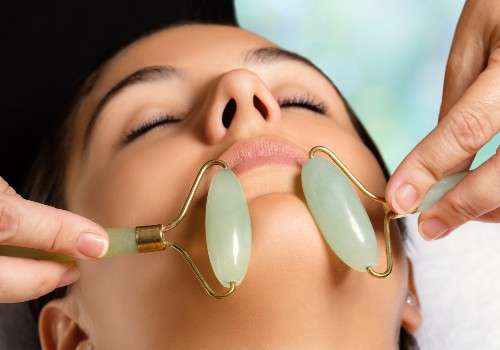
Ask when to cleanse, moisturize and restart your usual products after treatment.
Your skin may be especially sensitive after microneedling, so keep the aftercare routine simple.
This means skipping products that contain tretinoin, benzoyl peroxide, salicylic acid, AHAs or high concentrations of vitamin C or retinol.
Freshly treated skin needs a little breathing room from your usual product lineup. Even your favorite gentle serum may irritate it after microneedling, so use only the aftercare products your clinician recommends.

- Keeps skin soft with lasting hydration that feels light on your face.
- Fits comfortably under makeup or into your evening skincare routine.
- Helps sensitive skin retain moisture without added fragrance or essential oils.
Check What Happens to Used Needles
Single-use needle cartridges should be discarded after treatment, even when the next appointment is for the same person.
Reusable components need the cleaning process specified by their manufacturer. Ask the clinic how it handles this between treatments.
Is Dermarolling Painful?
If you have a high pain tolerance and use very short needles, you might not find dermarolling painful.
But otherwise, you’re likely to experience at least a little pain when dermarolling. The longer the needles, the more painful the experience will be.
However, the pain shouldn’t be excruciating. If it is, you may be pressing the derma roller too hard or using needles that are too long for you to tolerate.
Pain is a reason to speak up. Ask your clinician about aftercare and pain relief, and don’t change prescribed medicines on your own.
How Often Should You Use a Derma Roller?
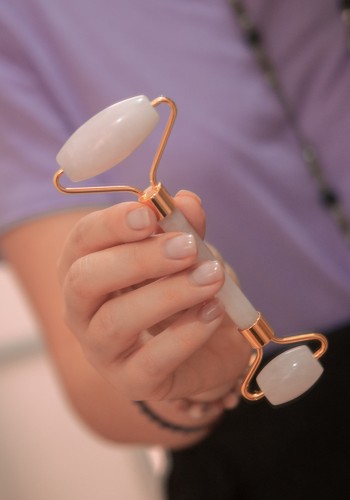
Your treatment schedule depends on the device, your skin and how well it heals between visits.
Let your clinician set the interval. More frequent needling can add irritation and injury without improving your results.
Which Derma Roller Needle Length Is Best for Me?
Needle depth is a treatment decision, not a shopping shortcut. The device, treatment area and skin concern all matter.
Don’t move up to longer needles on your own because a shorter roller hasn’t delivered the result you hoped for.
0.25mm Derma Roller
A short needle label does not guarantee safety or show that a roller can treat scars or wrinkles.
Derma Roller 0.5mm
A 0.5mm label alone cannot tell you whether the device is suitable for your skin. Ask a qualified professional before using a roller that penetrates living skin.
1.0mm Derma Roller
A 1.0mm roller can penetrate living skin. Decisions about this depth belong in a professional treatment plan.
1.5mm Derma Roller
A 1.5mm roller should not be treated as a safe home option. Deeper treatment needs professional assessment and appropriate technique.
Should I Do Dermarolling at Home or See a Professional?
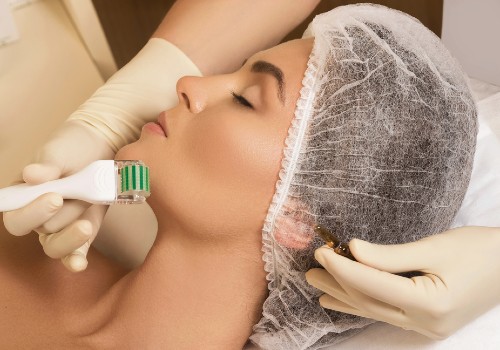
Before you reach for a longer needle, talk to a qualified healthcare professional. Microneedling that penetrates living skin can cause infection, scarring and discoloration, so feeling confident with a roller isn’t enough to make home treatment safe.
Due to their extensive experience and high-quality equipment, professionals can often achieve better results in less time than you’d need at home.
If professional treatment is outside your budget, ask about less invasive skincare options rather than increasing your home needle depth.
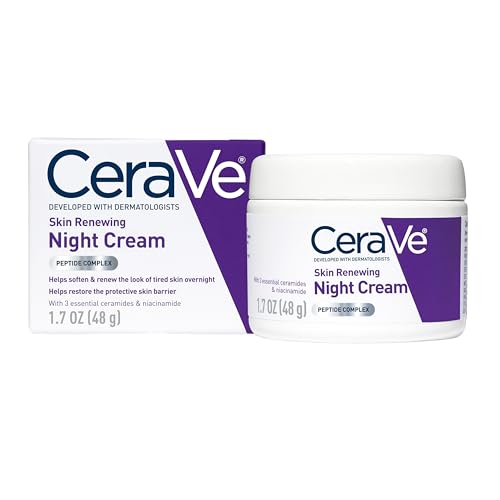
- Helps soften the look of fine lines with a peptide complex.
- Replenishes moisture overnight so tired-looking skin feels softer.
- Supports your skin's moisture barrier with three essential ceramides.
Are There Any Side Effects from Dermarolling?
Side effects from dermarolling are common, but they’re typically minor and very short-lived.
During the dermarolling session, you’ll likely bleed a little from the wounds created by the derma roller. This is normal and the bleeding should subside very quickly.
Some redness and swelling can follow treatment. Follow your clinician’s aftercare plan and contact them if symptoms are worsening or concerning.
You’ll likely feel a pulsing sensation in your skin due to the increased blood flow. The skin may also feel hot or tender like a sunburn, and it may peel like one as well.
A few days after your treatment, your skin may become dry and rough, and you may see bruises at the treatment site. Avoid sun exposure during this time as your skin is particularly susceptible to damage as it heals.
The biggest risk from dermarolling is infection, which can occur if your derma roller or skin is dirty, or if you use the derma roller on open wounds. To prevent this, always start with clean tools and skin, and never derma roll over breakouts.
What Derma Roller Results Should I Expect?
After your first dermarolling session, you may see subtle results within a few days. Your skin may seem more plump and taut than it did before.
However, you should expect to see significant results after one or two months of consistent dermarolling.
That’s about how long it takes collagen production to reach optimal levels, and once it does, you should start seeing smoother, brighter skin.
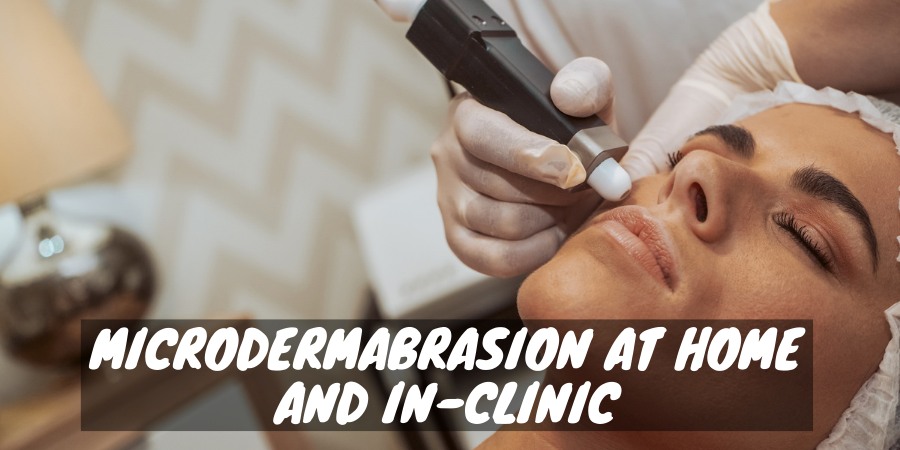
Revitalize Your Skin: Microdermabrasion
Fixing the Foundation: How to Rebuild Collagen in the Face