
How to Get Rid of White Stretch Marks
You work hard to keep your skin and body looking their best.
There’s just one problem: those pesky white stretch marks that just won’t go away.
Don’t give up hope, though! Try these tricks to make your white stretch marks less noticeable.
What Are Stretch Marks, Anyway?
Your skin is flexible and elastic, but it can only stretch so far, so fast.
When it’s stretched too quickly, your skin can form the scars we know as stretch marks.
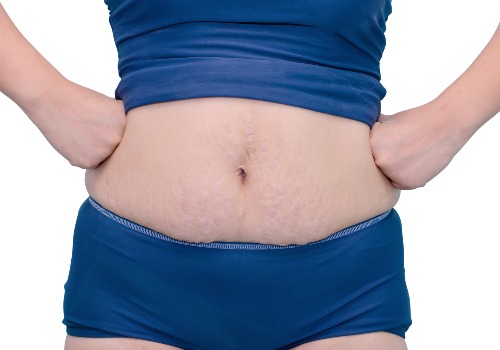
Stretch marks are commonly found on the arms, stomach, legs and breasts. They’re completely harmless and don’t pose any threat to your health, but many people dislike their appearance.
Rapid weight gain is one of the most common causes of stretch marks, though they can also be caused by rapid weight loss.
Pregnancy, puberty, breast augmentation, hormonal disorders, rapid muscle gain and topical steroid use can also cause stretch marks.
What’s the Difference Between Red and White Stretch Marks?
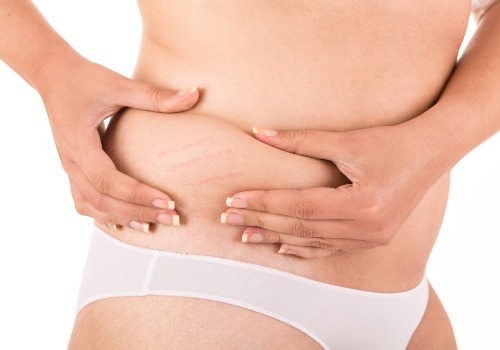
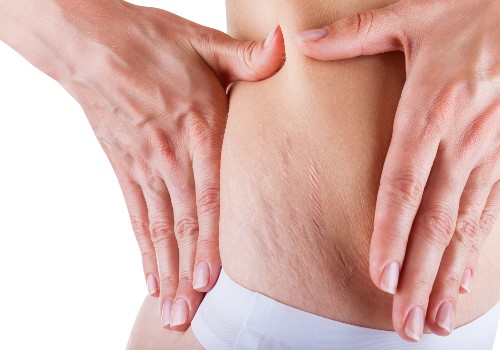
When stretch marks first form, they appear red or purple due to the blood vessels that lie just under the skin. Over time, these blood vessels shrink, causing the stretch marks to lose their red tinge. When this happens, they become white, similar to the way that other types of scars lose their coloration over time. All stretch marks start out red and become white with age. If you have white stretch marks, chances are that they’ve been there for many years.
How to Remove Old Stretch Marks
Exfoliate to Remove Mild Stretch Marks
Exfoliation is the process of removing dead skin cells, either by using physical particles (physical exfoliation) or by using a chemical solution (chemical exfoliation).
Physical exfoliants include sugar scrubs and jojoba bead scrubs. Chemical exfoliants include salicylic acid and lactic acid.
Removing the dead skin cells on and around your stretch marks can make the marks appear less prominent. If they’re very mild stretch marks, exfoliation can make them nearly invisible.
Although exfoliation alone isn’t effective on more severe stretch marks, it can help topical creams and other treatments penetrate deeper into the marks, increasing their effectiveness.
That’s why it’s worth the time to exfoliate your stretch marks before beginning other treatments.

- Gently exfoliates flaky patches for smoother, softer-feeling skin.
- Replenishes dry, dull skin with lasting moisture and a healthier-looking glow.
- Treats dry hands, feet and body with one rich, fragrance-free lotion.
Try Microdermabrasion for More Stubborn Stretch Marks
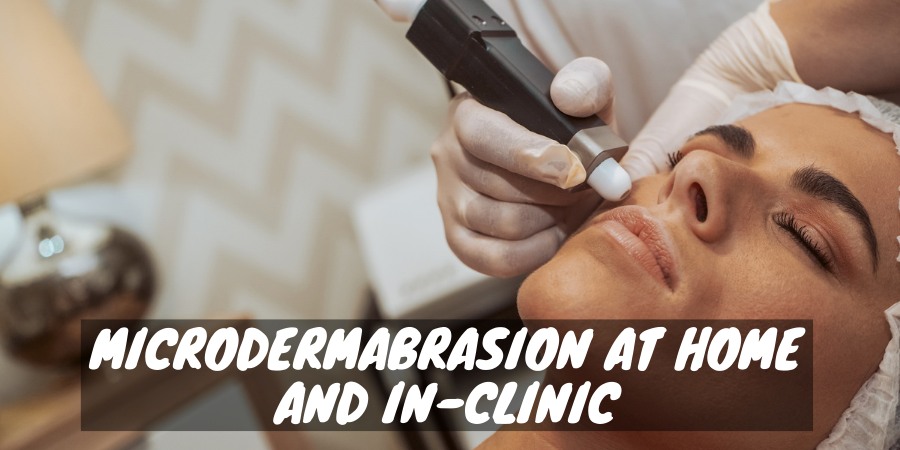
Microdermabrasion is an in-office procedure that’s performed by an esthetician or dermatologist.
It involves the use of a special device with a tip covered in tiny crystals. As the device moves over your body, the crystals remove the top layer of your skin — it’s exfoliation taken to the next level.
The crystals also stimulate the production of collagen, a protein that helps your skin heal from wounds and protect itself from future damage.
White stretch marks can be stubborn, and microdermabrasion is unlikely to make them disappear. Some treatments may make them less noticeable, but stretch marks are permanent scars—improvement is a more realistic goal than erasing every line.
Microdermabrasion is generally painless, though some people report a stinging, burning or tender sensation. Mild swelling and redness are also to be expected after each session.
Soften All Types of Stretch Marks with Microneedling
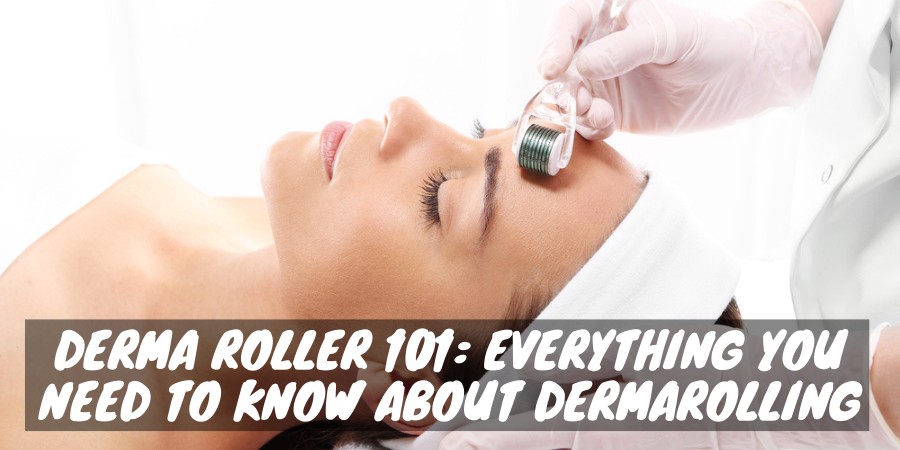
Like microdermabrasion, microneedling also involves the use of a special device. Instead of crystals, however, a microneedling device is tipped with tiny needles.
These needles poke microscopic holes in your skin, activating your body’s collagen and elastin production. The new proteins are then sent to repair the tiny holes, making your stretch marks less noticeable in the process.
Microneedling can be painful, so many people prefer to have it done by a professional. But if you’re feeling brave, you can use an at-home microneedling device to save you time and money.
Can You Prevent Stretch Marks from Forming?
Keep Your Weight in Check
Stretch marks form when the skin is stretched rapidly, which makes periods of weight gain and loss the riskiest for stretch mark development.
This is especially true during puberty and pregnancy, when skin has to stretch quickly.
If you gain or lose a lot of weight over a short period of time, your skin won’t be able to grow or shrink accordingly. You’ll end up with stretch marks due to the stress and weakness your skin experiences during these times.
Rapid changes in body size can contribute to stretch marks, but they aren’t entirely within your control. Focus on healthy habits rather than a promise that changing your weight a certain way will prevent every mark.
Get Plenty of Vitamins A and C
Supplying your skin with the right vitamins is key to keeping it healthy.
A balanced diet supports your skin, but extra vitamins aren’t a guaranteed way to prevent stretch marks.
Vitamin A supports normal skin function, and vitamin C helps your body build collagen. Getting enough matters more than chasing high doses.
Leafy greens, citrus fruits, broccoli and squash are easy ways to bring useful nutrients to your plate.
Stay Hydrated

Keep yourself comfortably hydrated, but don’t expect extra glasses of water to stop stretch marks. No drink, food or cream can promise that—and developing stretch marks doesn’t mean you’ve done anything wrong. You can also stay hydrated by eating water-rich foods like lettuce, watermelon and soup.
And you can directly rehydrate your stretch marks by applying humectants like hyaluronic acid. These transport water to your skin cells to instantly rehydrate them.
Keep Stretch-Prone Skin Comfortable
A moisturizer can help with dryness and itchiness as your skin stretches. A “stretch mark prevention” label, though, is not a guarantee that marks won’t develop.
Stretch mark prevention creams are loaded with moisturizers and humectants to keep your skin cells hydrated.
Ingredients such as shea butter can help soften dry skin and make your routine feel more comfortable.

- Helps relieve very dry skin and itching caused by dryness.
- Replenishes moisture and supports the skin barrier with ceramides and shea butter.
- Leaves skin soft and comfortable without a greasy, sticky finish.
If you’re pregnant, check treatment ingredients with your healthcare professional before trying something new.
Derma Roller 101: Everything You Need to Know About Dermarolling
Revitalize Your Skin: Microdermabrasion