

Why Is Your Skin So Dry When You Moisturize?
When you walked out of the store with that brand-new moisturizer, you felt sure that this would be the end of your perpetually dry skin.
Yet your skin is still rough, flaky and uncomfortable no matter how much moisturizer you slather on.
So why isn’t your moisturizer working on your dry skin?
Let’s take a look at the moisturizing mistakes that could be to blame.
6 Common Moisturizing Mistakes You May Be Making

Your Cleanser Is Too Harsh
It’s always tempting to reach for the strongest, most powerful cleanser you can find, especially on bad skin days.
After all, who actually wants all that grease and dirt on their skin?
But your tendency to bring out the big guns when a slingshot would do could be making your skin dry out.
Strong cleansers contain many harsh chemicals that are known to have a drying effect on the skin. Sulfates and drying alcohols are just a few of these moisture-leaching ingredients.
Your skin shouldn’t feel tight and squeaky after you cleanse. If it does, that means your cleanser is too harsh, and you’ll need to switch to a gentler one.
Look for a cream cleanser that’s formulated for dry skin. These typically contain moisturizing ingredients like dimethicone and aloe gel, so they’ll cleanse your skin without being overly drying.
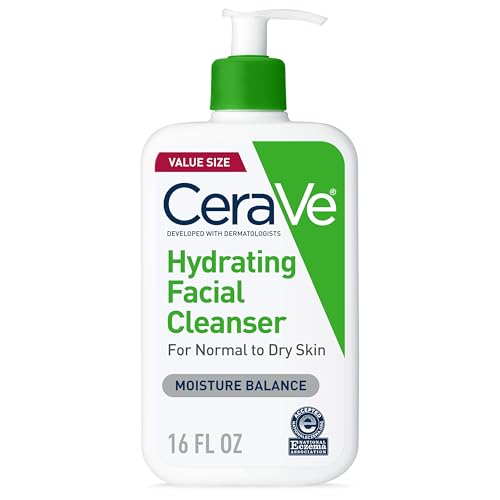
- Lifts away dirt and makeup while helping dry skin hold onto moisture.
- Leaves skin feeling comfortable with a creamy, non-foaming wash.
- Supports your skin's protective barrier with three essential ceramides.
You’re Cleansing Your Skin Too Much
Even if you’re already using the right cleanser, it could still be drying out your skin if you use it too often.
Although cleansers for dry skin are usually gentle, they ultimately do the same thing as harsh cleansers: strip your skin of oil and dirt.
Do this too often and your skin won’t have any moisture left. What’s more, you’ll damage your skin’s colony of beneficial bacteria that keep it healthy and balanced.
You should be cleansing your skin no more than twice a day — once in the morning and once at night. If your skin is extremely dry, you may want to skip your morning cleansing and allow your skin to rebuild its own moisture barrier throughout the day.
You’re Not Moisturizing While Your Skin Is Wet

If you’re applying your moisturizer after you’ve dried your face off, you’re not getting its full benefits.
Moisturizer absorbs best when your skin is wet. If you apply it when your skin is dry, much of it will simply sit on top of your skin doing nothing, and your skin will feel dry as a result.
The right time to apply moisturizer is at the end of your skincare routine. After you’re done with your other products, give your face a splash of water before applying your moisturizer.
This water should be lukewarm, never hot. Hot water has a drying effect on the skin, negating the benefits of your moisturizer.
The Moisturizer You’re Using Isn’t Right for Your Skin
As great as it would be, there’s no such thing as a one-size-fits-all moisturizer.
And if you’re using one that’s not the right fit, your skin will let you know.
Moisturizers formulated for oily skin, for example, could make your skin even drier than before. They don’t contain the ingredients your dry skin needs to rebuild its moisture barrier and stay hydrated.
You need a moisturizer that’s designed for dry skin. These moisturizers typically contain humectants (hydrators) like glycerin, panthenol, and hyaluronic acid to help your skin absorb water more thoroughly.
They’ll also contain powerful emollients, such as squalane and shea butter, to quickly build up your moisture barrier.
Ideally, you’ll use two moisturizers: a lightweight one in the morning and a richer one at night. But both should be formulated for dry skin — always check the label and read the ingredients list before making a purchase.

- Gives dry skin lasting hydration without a sticky, greasy finish.
- Helps maintain the moisture barrier that keeps skin feeling comfortable.
- Softens dry patches on your face, hands and body with one rich cream.
Dead Skin Cells Are Preventing Your Moisturizer from Working
Many people with dry skin suffer from a buildup of dead skin cells. These cells are responsible for the flakes and rough patches that are so frequently associated with dry skin.
Yet you may be reluctant to exfoliate them away, fearing that the exfoliant you use could dry your skin out even more.
Though it’s true that you shouldn’t exfoliate too often if you have dry skin, that doesn’t mean you should skip it altogether. You need to remove your dead skin cells regularly or else they’ll prevent your moisturizer from working.
It makes sense: when your skin is covered in a thick buildup of flaky dead cells, your moisturizer can’t spread evenly or smooth your skin as well.
Once or twice a week, remove your dead skin cells with an exfoliant before moisturizing. Avoid scrubs that contain physical particles, which can irritate dry skin — use a gentle chemical exfoliant like lactic acid instead.
You’re Using the Wrong Application Technique
Choosing the right moisturizer is only half the battle.
If you don’t apply your moisturizer correctly, you won’t get the full benefits — and you could even be harming your skin in the long run.
Rubbing or swiping your moisturizer onto your face causes your skin to pull and stretch. Over time, this weakens and deforms it, resulting in wrinkles and sagging.
Instead, you should be massaging the moisturizer into your skin using small, upward circular motions. This thoroughly coats your skin in the moisturizer without tugging or stretching it.
Spread moisturizer gently so you get even coverage without tugging at your skin.
Use enough moisturizer to cover your skin comfortably. A heavier layer doesn’t switch off your oil glands, although a formula that feels greasy or causes irritation may not suit you.
Follow the product’s directions and use enough for comfortable coverage. If your skin stays dry despite regular use, consider a richer formula or ask a dermatologist for advice.
4 Easy Tips for Getting Moist Skin

Time Your Moisturizing Correctly
Apart from sunscreen in the morning, moisturizing should be the last step in your skincare routine, performed only after your skin has already absorbed your other products.
Switching up the order will prevent your skin from fully absorbing your other products. It’ll also make your moisturizer less effective, especially if any drying products are applied afterwards.
But, as discussed above, your skin needs to be damp in order for the moisturizer to work properly. So apply all of your other products, rewet your face with lukewarm water, shake off any large droplets, then apply your moisturizer.
You should be moisturizing in the morning and at night, as well as right after any extremely drying situations. These include swimming, using a hot tub and having a tanning session.
Start Using Facial Oil or Serum
Many skincare products are designed to remove unwanted gunk from your skin, but supplying your skin with beneficial vitamins and minerals is just as important.
This is especially true for dry skin, which is often dry due to a lack of necessary nutrients.
That’s why you should be using facial oils or serums if you have dry skin.

- Replenishes dehydrated skin so it feels softer and more supple.
- Helps plump skin and soften the appearance of fine lines.
- Supports the moisture barrier with a hydrating blend of hyaluronic acid and vitamin B5.
A vitamin C serum may help with uneven tone and signs of sun damage, but it won’t restart “lazy” oil glands. If dryness is your main concern, get your moisturizer working for you first.
Vitamin E serum is also helpful for dry skin, as vitamin E is a natural moisturizer that also relieves itching and discomfort from dryness.
And if you’re interested in using pure facial oils, look for almond oil or marula oil. Both of these oils are gentle yet intensely hydrating, and they’re easily absorbed by the skin for all-day moisture.
Try a Hydrating Overnight Face Mask

Face masks are well known as quick fixes for all sorts of skin problems, but your typical face mask isn’t left on long enough to do much for extremely dry skin.
That’s where overnight face masks come in. Rather than removing them after 15 minutes, you leave them on while you sleep, giving them hours of downtime in which they can get to work.
An overnight hydrating mask will provide moisture when it’s needed most: at night, when your skin is regenerating itself. When you wake up in the morning, all of your skin cells will be fully hydrated, protected and renewed.
Use an overnight mask once or twice a week to soothe and smooth your dry skin.
Moisturize as Often as Your Skin Needs
You haven’t made your skin lazy by moisturizing it. If it still feels dry, take a closer look at your moisturizer, cleanser and daily habits. Persistent dryness can also be a sign that a skin condition needs attention.
Let your skin guide you: apply moisturizer when it feels dry, especially after washing. Very dry skin may need several applications a day. A comfortable, fragrance-free cream or ointment can make those top-ups more helpful.
What Is Panthenol? Everything to Know About This Miraculous Moisturizer

9 Tips for Rehydrating Thirsty Skin at Home
