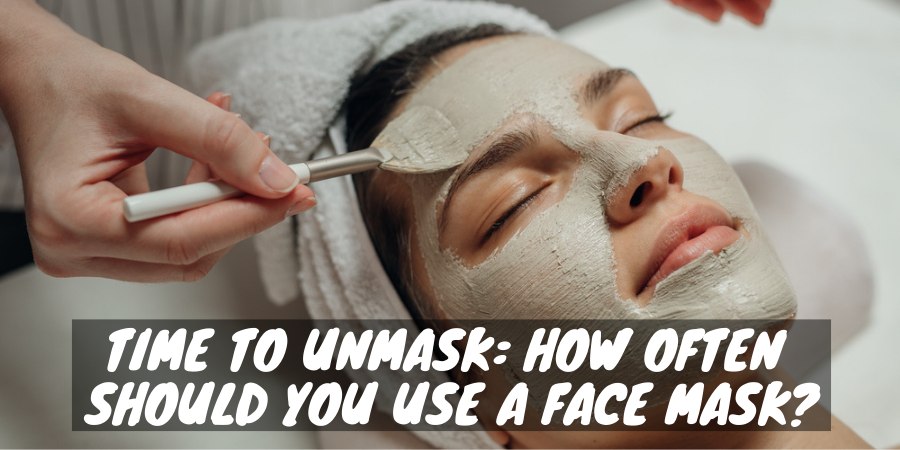

Your Guide to Store-Bought and DIY Face Masks for Oily Skin
Nothing says self-care like a relaxing face mask.
But if you have oily skin, you may find yourself avoiding face masks out of fear of making your skin even oilier.
After all, so many masks advertise their hydrating and moisturizing properties. And the last thing you want is to have to deal with more moisture!
But you don’t need to forgo this classic beauty ritual just because you have oily skin. In fact, there are many face mask options, both store-bought and DIY, that are fantastic for those with oily skin.
Here’s what to look for in a store-bought face mask for oily skin, plus a closer look at seven popular homemade masks, including the ones you’re better off skipping.
Choosing the Best Face Mask for Oily Skin
It’s easy to get overwhelmed by all the products in the skincare aisle — that is, unless you know what you’re looking for.
And when it comes to picking a face mask for oily skin, it’s all about the ingredients.
So skip the flashy claims and pretty packaging, and direct your attention to the ingredients list.
Prioritize Oil-Absorbing Ingredients…
If you’ve got oily skin, chances are that your main priority when choosing a face mask is absorbing all that extra oil.
That means you need to be on the lookout for oil-absorbing ingredients.
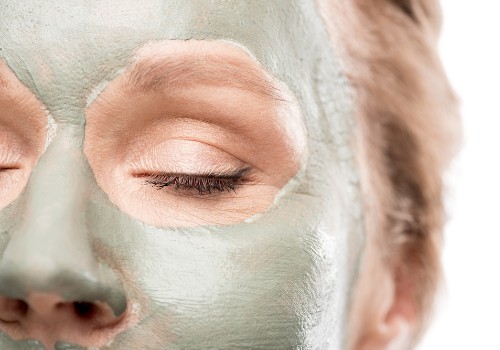
Kaolin and bentonite clays are two of the most common oil-controlling face mask ingredients. These clays can help absorb excess surface oil, though a drying mask may not suit every part of your face.
Silica, which kaolin clay is based on, is another common face mask ingredient for oily skin. Like kaolin clay, it’s excellent at absorbing excess oil from your skin.
Various starches, including rice starch, aluminum starch and cornstarch, are also found in many face masks. If you’ve ever used them in cooking, you know that they’re fantastic at absorbing oil.
Sulfur isn’t the nicest-smelling face mask ingredient, but it’s incredibly effective at clearing your skin of extra oil.
Other common oil-absorbing ingredients include talc, charcoal, glycolic acid, salicylic acid, parsley extract, buchu extract and niacinamide (which also calms your oil glands to prevent excess oiliness in the future).

- Helps clear clogged pores and reduce the appearance of blackheads.
- Lifts away dead skin cells for a smoother, more even-looking complexion.
- Exfoliates without abrasive scrub particles, while adding hydration.
…But Don’t Skip Moisturizing Altogether!

Controlling your oily skin with a face mask doesn’t stop with oil removal.
The oils on your skin form a moisture barrier that stops water from evaporating out of your skin.
When you remove these oils, your oil glands will start working overtime to replace them, often leaving you oilier than when you started — that is, unless you replenish the barrier before they get the chance.
That’s why you should use a hydrating and moisturizing mask after your oil-absorbing mask. Hydrating humectants will ensure that no skin cell is left unquenched, while moisturizing emollients will provide your skin with a healthy barrier so your oil glands can rest.
Common hydrating ingredients include hyaluronic acid and aloe extract, while common moisturizing ingredients include peptides and squalane. Other ingredients, like glycerin and panthenol, pull double duty as both humectants and emollients.
Avoid These Pore-Clogging Ingredients
There are some skincare ingredients that you simply don’t want on your oily skin, ever.
Comedogenic (pore-clogging) ingredients are found in many face masks — even ones that claim to unclog your pores. Putting them on your face will undo all the benefits of your oil-absorbing face mask, and may even make your problem worse.
Alcohols, lanolin, stearic acid, cocoa butter, sulfates, algae, carrageenan, corn oil, vegetable oil and soybean oil are all considered comedogenic ingredients. If you see any of these on the ingredients list, consider a different mask — and if you see several of them on the list, definitely avoid that mask!
Some face masks claim to be non-comedogenic on the label, but since the term isn’t regulated, comedogenic ingredients may still be present. You’ll need to do your research and check the ingredients list for yourself.
How to Use a Face Mask for Oily Skin
Your store-bought face mask for oily skin will include directions on how to apply the mask and how long to leave it on.
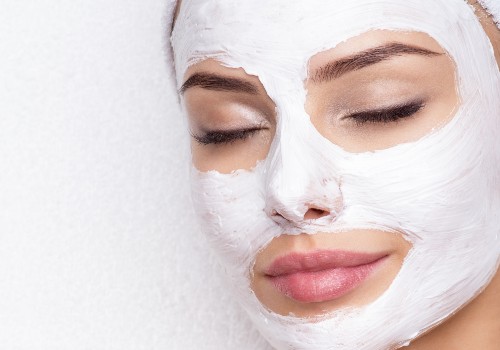
Generally, you’ll apply the mask to your clean face with clean fingertips, then leave it on for 10 to 20 minutes while it works its magic. You’ll then peel or rinse the mask off, revealing your new oil-free complexion.
The face mask label will also tell you how often you should be using the mask. If you have oily skin, you’re typically able to use your face mask more often than directed — say, three times a week instead of two.
But if your skin is sensitive, err on the side of caution and use the mask less frequently, leaving it on for less time. If your face mask irritates your skin, your oil production could increase in response, making your skin worse off than it was when you started.

- Replenishes moisture in normal to dry facial skin.
- Helps calm your skin with niacinamide.
- Releases moisture gradually to keep hydration going through the night.
DIY Facial Masks for Oily Skin: What to Know
Homemade masks can sound appealing, but a kitchen ingredient isn’t automatically a good fit for your face. Here’s where popular recipes deserve a closer look.
Whenever possible, use organic ingredients to avoid getting traces of mysterious fertilizers, pesticides and other chemicals on your skin.
Why Skip an Apple Cider Vinegar Face Mask?
Apple cider vinegar is one of the buzziest natural skincare ingredients out there.
Vinegar and baking soda might be pantry staples, but your face doesn’t need this combination. Mixing them at home won’t guarantee a skin-friendly formula, and the result could leave your skin irritated.
Banana Face Mask
Bananas aren’t just tasty — they’re surprisingly good at absorbing oil from your skin.
Leave the lemon juice out, especially if your skin is sensitive. It can cause irritation, and citrus left on your skin can trigger an unpleasant reaction when you head into the sun.
Egg White Face Mask
Egg whites contain a protein called albumin that helps the egg white retain its structure.
On skin, it dries to a film that can feel temporarily tight, but it doesn’t firm skin or shrink pores.
Skip the lemon-and-egg-white recipe. A temporary tight feeling isn’t worth irritating your skin, and you don’t need raw egg to care for oily areas.
Clay Face Mask

As mentioned before, clay can help absorb excess oil on oily, greasy skin. But you don’t have to go to a spa or the beauty supply store to get a clay mask.
You can purchase pure bentonite clay powder from a vitamin store, natural foods store or apothecary.
If you use a clay powder made for facial masks, follow its mixing directions. Keep added lemon juice and fragrance oils out of the bowl, especially if your skin is sensitive.
Use clean mixing tools and follow the product’s directions. Bowl choice is not a way to give a clay mask deep-detoxifying powers.
Apply the mask for up to 10 minutes or until it’s just barely dry, then rinse it off with lukewarm water. If your skin is very oily, you can leave it on for 20 minutes, but you may need to rinse with warm water if the mask has completely dried.
Orange Peel Powder Face Mask
Don’t toss those orange peels in the trash or compost!
They have plenty of uses around the kitchen, but a homemade peel powder is not a proven acne treatment or a substitute for sunscreen.
Skip the orange-peel-and-baking-soda recipe. Rough particles and an unbalanced homemade mixture can leave your face feeling irritated rather than refreshed.

- Removes makeup and excess oil while leaving skin feeling soft.
- Gives dry, sensitive skin a gentle cleanse without harsh cleansing agents.
- Keeps fragrance, dyes and essential oils out of your daily face wash.
Turmeric Face Mask
Who knew that your spice rack held the secret to clear, oil-free skin?
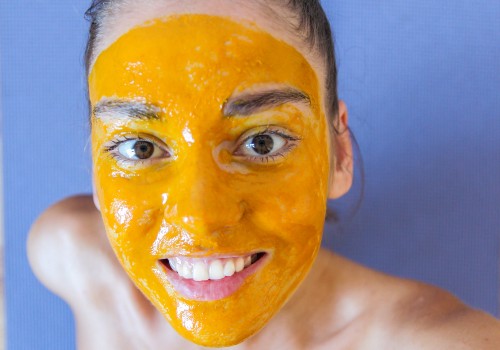
Turmeric is a powerful anti-inflammatory and antioxidant that brightens your skin, promotes collagen production and calms overactive oil glands.
Keep lemon juice out of turmeric masks, too. If you want to try turmeric in skincare, a product formulated for the face gives you clearer directions than a homemade kitchen mixture.
Turmeric’s rich color can sometimes transfer to your skin while you’re using the mask. If this occurs, you can remove the pigment with a toner or makeup removal wipe.
Charcoal and Aloe Face Mask
Activated charcoal has uses outside skincare, but those don’t prove that a facial mask can detoxify your skin.
A charcoal-and-aloe formula may help manage surface oil while keeping skin comfortable. Its benefits depend on the whole formula, not a promise to draw out heavy metals.
You can find charcoal masks at drugstores, beauty stores and natural food stores.
Choose a charcoal-and-aloe product formulated for facial use and follow its directions. Adding essential oils just for fragrance can make a mask more irritating.
Apply the mask and wait for it to dry, which could take up to 20 minutes. Rinse with warm water and repeat the application twice a week.
Natural Nourishment: How Do Clay Masks Work?

Time to Unmask: How Often Should You Use a Face Mask?