
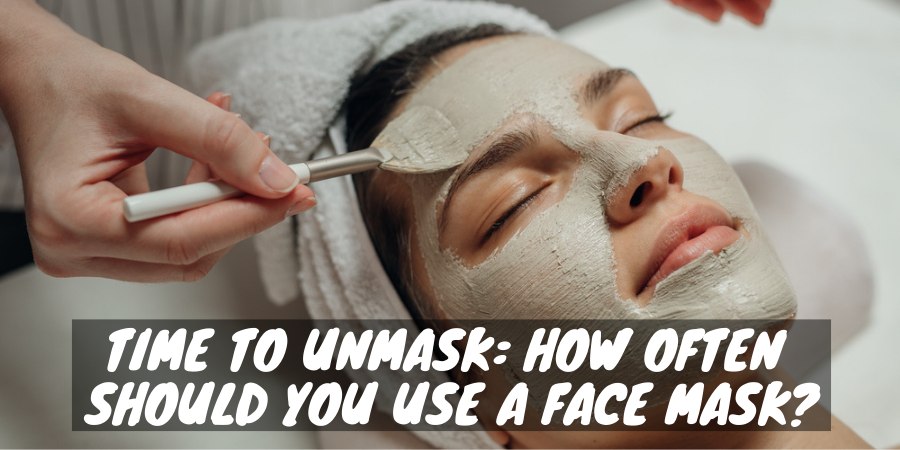
Time to Unmask: How Often Should You Use a Face Mask?
Face masks combine self-care and skincare into one indispensable package.
There’s nothing quite as relaxing as applying a face mask, kicking back with a book or a TV show and knowing that your skin is being rejuvenated as you rest.
But as with so many of life’s pleasures, too much face mask use can actually be bad for you.
So how often should you really be using a face mask?
Read on to learn more and find out whether your face mask regimen is working for or against your skin.
The Benefits of Face Masks
One of the reasons face masks are so popular is that they can improve a huge variety of skin issues and conditions.
Your mask’s label will tell you what it’s designed to treat, and if you’re skincare-savvy, you can derive even more information from the ingredients list.
But in general, you can expect your face mask to do some (or even most) of these things.
Rehydrate and Moisturize Skin
If your skin is parched from sweating, sun exposure, product use or overall dehydration, a face mask can provide instant relief.
Face masks are usually packed with humectants that rehydrate your skin cells. They also typically contain moisturizing ingredients to restore your skin’s barrier and keep that moisture locked in.

- Helps plump and soften skin by replenishing lost moisture.
- Supports the moisture barrier to leave skin feeling soothed.
- Adds a hydrated glow in a lightweight gel cream without a sticky finish.
Resolve Clogged Pores, Oiliness and Breakouts
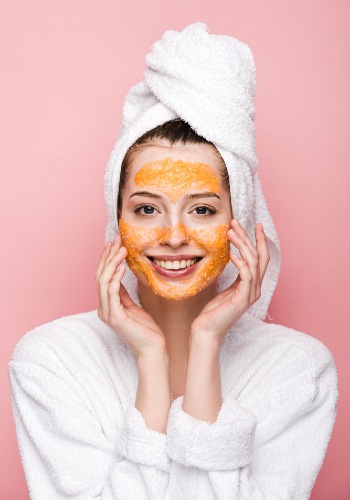
Acne sufferers and those with overactive oil glands can use face masks to reduce their oil production, unclog pores and reduce the appearance of breakouts.
Face masks lift dirt and oil out of your pores, shrinking and clearing them as soon as you remove the mask. And with that buildup gone, your pores may stay unclogged for longer.
Even Out Skin Tone and Texture
Hyperpigmentation and dark spots can really throw off the appearance of your skin.
And dry patches, scarring and breakouts can make your skin’s texture appear rough and uneven.
A face mask that contains brightening and exfoliating ingredients will make your skin look even and radiant. It’ll lighten dark spots and remove the coarse patches of your skin for a smooth appearance.
Reduce Fine Lines and Wrinkles
As you age, your skin loses elasticity, causing fine lines and wrinkles to appear.
These issues are then exacerbated by dryness and a lack of collagen.
Hydrating face masks can restore your skin’s moisture, firming it up and reducing the appearance of fine lines. A collagen mask can give your skin a moisturizing boost, making fine lines look softer for a while. Enjoy that fresh, comfortable feeling without expecting the mask to replace collagen deep in your skin.
How Often Should Face Masks Be Used?
Typical Use
The exact frequency at which you should use a face mask depends on your skin type and the specific mask you use, so there’s no one-size-fits-all answer.
But most people find that using a face mask once or twice a week provides plenty of benefits without any adverse effects.
Hydrating face masks can be used more often than exfoliating or brightening face masks. The latter typically contain harsher ingredients that can damage the skin if used more than once a week.
And those with dry skin can generally use face masks more often than those with oily skin, especially if a hydrating mask is used.
When in doubt, check your face mask’s packaging to find out the recommended use frequency. If you have sensitive skin, err on the side of caution and use the mask less frequently than recommended by the manufacturer.
Face Mask Overuse
If you’re masking too often, your skin will let you know.
Overuse of face masks can cause breakouts, redness, itching, irritation, dryness, flakiness and burning. It can look like an allergic reaction, but it may simply be irritation from dosing your skin with too many powerful ingredients.
Over time, face mask overuse can wipe out your skin’s natural oils and beneficial bacteria. This makes you more susceptible to damage, infection and many different skin issues.

- Removes makeup and excess oil while leaving skin feeling soft.
- Gives dry, sensitive skin a gentle cleanse without harsh cleansing agents.
- Keeps fragrance, dyes and essential oils out of your daily face wash.
Five Common Types of Face Masks
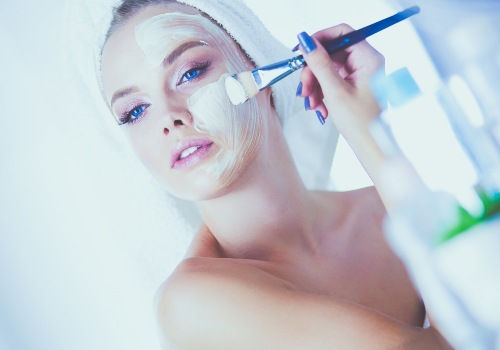
Charcoal Face Masks
Activated charcoal is well known for its purifying abilities.
It’s used in everything from fish tank filters to emergency poisoning treatment to toothpaste.
And recently, it’s gained popularity as an ingredient in face masks.
Activated charcoal absorbs oil and impurities from your pores, lifting them away from your skin when you remove the mask.
This makes it great for oily, acne-prone skin. It’s also great as a quick fix for clogged pores.
Activated charcoal face masks can be drying and harsh on the skin, so they should only be used for 10-15 minutes once or twice a week. If you have sensitive skin, use them every other week to reduce the chance of irritation.
Gelatin Face Masks
You probably know gelatin as the signature ingredient in Jell-O, or as the substance that makes up gel capsules.
But it’s also an incredibly useful ingredient in many face masks.
Because gelatin sticks so well to the skin as it dries, it’s highly effective at unclogging pores and removing stubborn dirt buildups. It also removes dead skin cells to brighten your complexion.
That tight feeling as a gelatin mask dries comes from the film on your skin. It doesn’t mean the mask is building collagen or making your skin thicker.
However, gelatin’s stickiness also makes it somewhat painful to remove from the skin. This can result in redness and irritation after removing a gelatin mask.
Because of this, you should only use a gelatin mask once a week or less. And those with sensitive skin may want to skip it altogether.
Sheet Face Masks
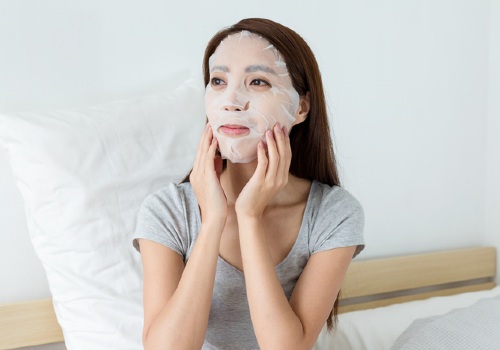
Sheet masks got their start in South Korea, but they’ve since exploded in popularity around the world.
Rather than coming in a tube or bottle like most masks, sheet masks take the form of thin pieces of fiber or cellulose. These sheets are soaked in ingredients like hyaluronic acid, antioxidants and ceramides that rehydrate and rejuvenate your skin.

- Replenishes dehydrated skin with lasting moisture.
- Helps dull-looking skin regain a fresher, more radiant appearance.
- Absorbs quickly for hydration without a heavy feel.
To use a sheet mask, you simply lay the sheets onto your face and let your skin absorb the ingredients.
Sheet masks are among the most hydrating masks out there, though many also have luminizing or brightening effects as well.
They’re generally safe to use as often as you want, whether that’s once a week or every day.
However, those with acne should only use them once or twice a week. And if your sheet mask contains glycolic acid, stick with once-a-week use to prevent this strong exfoliant from irritating your skin.
Clay Face Masks
Clay face masks have been in use for thousands of years. There’s evidence that they were used by ancient Egyptians and other cultures to purify and beautify the skin.
Clay masks earn their place by soaking up excess surface oil and helping wash away impurities. The promises about pulling out heavy metals or swapping in beneficial minerals go beyond what’s been shown in skin treatments.
However, clay masks do tend to have a drying effect on the skin, so they’re best used in conjunction with a rich moisturizer or hydrating mask.
If you have dry skin, it’s best to use a clay mask once every other week or less. Those with oily skin can use them once a week and may find that more frequent use helps to balance their oil production.
DIY Face Masks
If you prefer to take your skincare into your own hands, a DIY face mask may be right for you.
You can easily whip up a face mask using ingredients you already have in your kitchen.
To make a DIY hydrating face mask, mix half an avocado with one tablespoon of honey and a handful of oats, then apply it to your face for 10-15 minutes. You can use this mask once or twice a week to rehydrate and smooth your skin.
Make a brightening, exfoliating mask by combining ¼ of a papaya with one tablespoon of cacao powder and a dollop of aloe gel. If your skin is sensitive, patch-test this mask first, since papaya’s enzymes can irritate. Then use it for 10 minutes once or twice a week.
Or try a luminizing mask made from half a banana, a tablespoon of honey and a tablespoon of orange juice. Mash it all together and apply it twice a week for 15 minutes to get a lovely natural glow.
Natural Nourishment: How Do Clay Masks Work?

Your Guide to Store-Bought and DIY Face Masks for Oily Skin