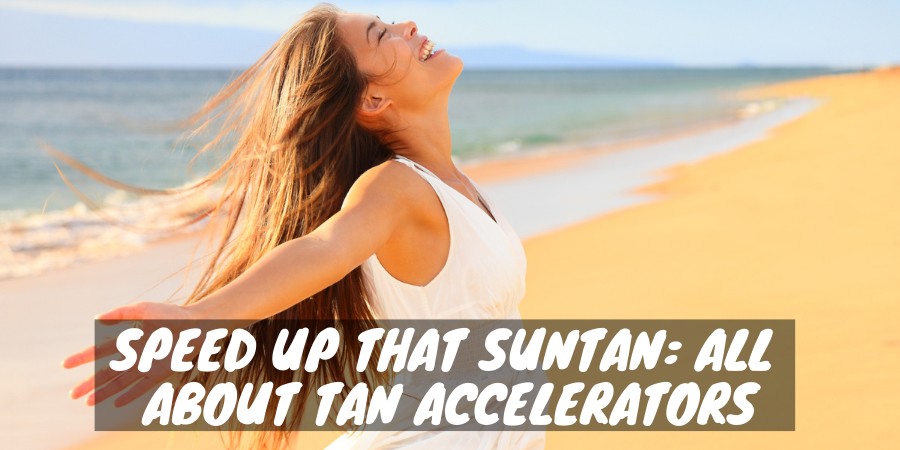
Speed Up That Suntan: All About Tan Accelerators
You want the gorgeous, natural glow that goes hand in hand with a suntan.
But you don’t want to spend hours roasting under the sun (and absorbing harmful UV rays) to get it.
Sound like you? Tan accelerators promise a shortcut—but it helps to know what that promise is based on before you buy.
Here’s the lowdown on these often-misunderstood products, their limits and the options for getting a glow without deliberate UV exposure.
What Is a Tan Accelerator?
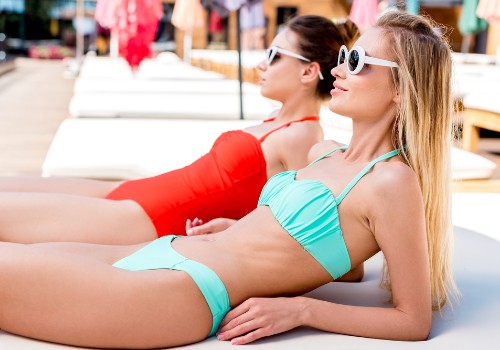
A tan accelerator is a spray, cream or lotion marketed to speed up tanning. That claim doesn’t mean the product has been shown to work.
It’s not the same thing as a self-tanner, which works by causing a chemical reaction that darkens your dead skin cells.
The promise is to boost your natural tanning response, but good evidence for that effect is limited.
How Does a Tan Accelerator Work?
Many accelerators are marketed around melanin, the pigment that gives skin its color.
Melanin is the compound responsible for giving your skin color. It’s activated in response to sunlight, which is why we become freckled or tanned after being in the sun.
More tanning from UV exposure is also a sign of skin damage. A product that promises faster color does not make that exposure safe.
Some formulas contain L-tyrosine, which the body uses when making melanin. Supplying it in a cream has not been shown to reliably speed up tanning.
You may also find vitamins, antioxidants and moisturizing ingredients in the formula. Their presence doesn’t turn the product into reliable sun protection.
If a product includes sunscreen, check its labeled SPF and broad-spectrum protection. Tanning claims alone tell you nothing about UV protection.
Moisturizing ingredients can help keep dry skin comfortable. That doesn’t establish that the product makes you tan faster or protects you from sun damage.
Does Applying It Early Make a Difference?
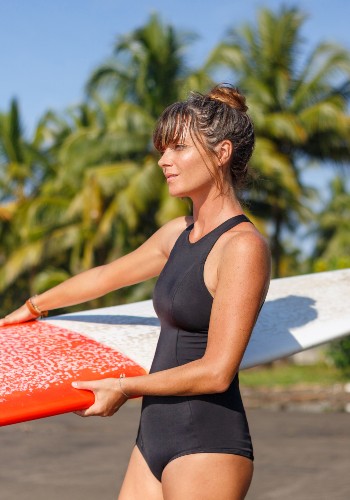
Some brands suggest starting weeks before a vacation, but those schedules aren’t proof that the product will increase melanin.
If you want predictable color before a trip, a sunless tanner is a more practical option. Follow its application directions and keep sunscreen in your vacation routine.
Do Tan Accelerators Also Include Fake Tan?
Check the ingredient list: a product may be sold as an accelerator without including a sunless tanning ingredient.
Others include a bronzer or self-tanner. The color you see may come from those ingredients rather than an increase in your natural melanin.
How Do I Use a Tan Accelerator?
Follow the label for any cosmetic product you choose, and stop if it irritates your skin.
Avoid using an accelerator as a reason to sunbathe or visit a tanning salon. Neither a faster tan nor a moisturizing formula removes the risks of UV exposure.
For lasting cosmetic color, follow the directions on a sunless tanner rather than trying to maintain a tan with repeated UV exposure.
What About Natural Tanning Oils?
Kitchen oils can sound reassuringly simple, but “natural” does not mean sun-protective. Here’s what to know before taking one to the beach.
Olive Oil Tan Accelerator
Olive oil belongs in plenty of kitchen recipes. A homemade sun-protection recipe is another matter.
Keep olive oil, iodine and carrot juice out of your sun-care routine: this homemade mix won’t provide reliable UV protection. Want a golden glow? A sunless tanner can give you color without deliberate sun exposure—just remember that you still need sunscreen.
Coconut Oil Tan Accelerator
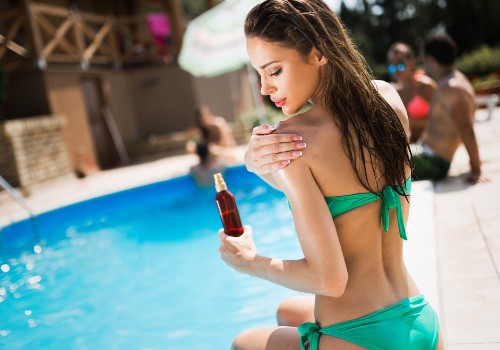
Coconut oil is often used as a moisturizer, which may explain some of its popularity in tanning routines.
It can help reduce moisture loss, but it is not a substitute for a tested sunscreen.
Keeping skin hydrated can improve comfort. It does not establish that coconut oil will speed up tanning.
Commercial Tanning Oils
Store-bought tanning oils come in plenty of textures and scents. Check what the product actually promises—and whether it provides labeled sun protection.
An oil can leave skin looking shiny without proving that it speeds up melanin production.
Plant extracts and essential oils do not automatically provide UV protection, and fragrance can irritate some skin types.
Aloe vera can feel soothing and help keep skin moisturized. For sunburn prevention, reach for broad-spectrum SPF 30 or higher, and give your skin regular breaks in the shade.
Choose broad-spectrum SPF 30 or higher and follow its directions. No sunscreen provides complete protection, so shade and protective clothing still matter.

- Combines daily hydration with broad-spectrum SPF 30 protection when used as directed.
- Helps your skin retain moisture and maintain a healthy protective barrier.
- Absorbs easily for a comfortable, lightweight finish.
How to Pick the Best Sunscreen for Your Skin

How to Get Rid of Skin Pigmentation