

Vanish Blackheads Forever: Your Go-To Guide
You work hard to keep your skin soft, smooth and looking its best.
But nothing cancels out that effort like an outbreak of blackheads.
Whether you get them occasionally or battle them day in and day out, blackheads can really do a number on your self-image. And removing them can be a huge hassle.
But blackheads don’t have to be the end of the world. Follow our guide to learn just what these pesky spots are — and how to get rid of them lightning-fast.
Why Do We Get Blackheads?
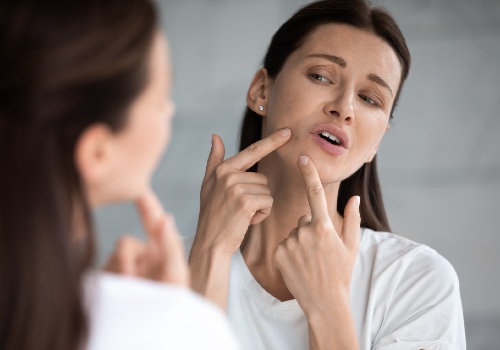
Blackheads are a type of clogged pore, so named for their dark appearance.
Your pores secrete oil throughout the day, so it’s normal for them to not be totally empty. Pores have a self-cleaning mechanism: the steady flow of oil carries dead skin cells and other buildup up and out onto the surface of your skin.
But when large amounts of buildup are present, this self-cleaning mechanism stops working. Oil, sweat, dirt, debris and dead skin cells congeal into a sticky mass that lodges itself in your pores.
Blackheads form when your skin doesn’t close up over the clogged pore, leaving the buildup exposed to the air. The gunk then reacts with the oxygen in the air, turning it black.
People with oily skin are more likely to get blackheads because their skin naturally produces more oil than the self-cleaning mechanism can handle.
Blackheads are also more likely to form if you sweat a lot, touch your face frequently or are exposed to air or water pollution.
What’s the Difference Between Blackheads and Whiteheads?
Blackheads and whiteheads are both types of clogged pores. The difference lies in the way the clogs are stored in your skin.
The top of a blackhead is open to the air — the skin never closes over the top of the pore. This leaves an opening that causes the clog to oxidize and blacken.
But sometimes the skin does close over the top of the pore, creating a fully contained clog that retains its lighter color.
The underlying cause of both is the same, but the end result is different in both appearance and treatment. Blackheads are generally easier to extract since the clog remains accessible, while whiteheads are much trickier to remove without breaking the skin.
8 Proven Ways to Eliminate Blackheads
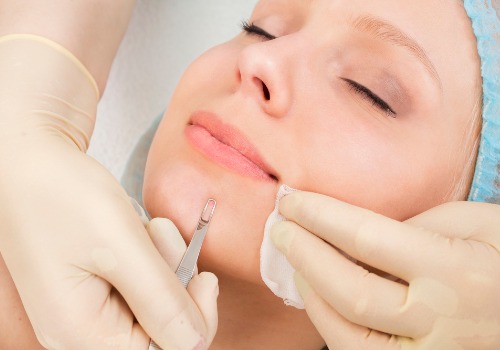
Cleanse Your Face with Salicylic Acid
Salicylic acid is a well-known acne treatment, but it’s also effective against blackheads.
It works by dissolving the bonds between the buildup in your pores and the pores themselves. By making the oil, dead skin cells and debris less sticky, it allows you to easily wash away your blackheads.
Additionally, salicylic acid has an anti-inflammatory effect on the skin. That helps calm red, inflamed breakouts, and because it’s oil-soluble, it can also work its way into pores to loosen the clogs behind blackheads.
Unlike many other skincare acids, salicylic acid is gentle enough for most people to use every day.
Look for a cleanser that’s labeled as non-comedogenic (free of pore-clogging ingredients) and that contains 2% salicylic acid, then start each day with this super-effective blackhead remover.
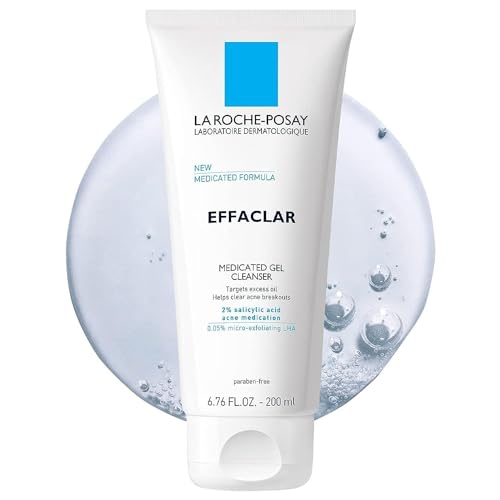
- Helps clear acne breakouts with 2% salicylic acid.
- Removes excess surface oil so skin feels less oily after cleansing.
- Lifts impurities without rough scrub particles.
Start Using Topical Retinoids
Retinoids are derivatives of vitamin A that your body converts into retinoic acid. Retinoic acid has many benefits for the skin: it increases collagen production, encourages cell turnover and makes your dead skin cells less sticky.
The latter effect is what makes retinoids so great for blackheads.
Dead skin cells are a major component of blackheads thanks to their ability to adhere to your pores. But retinoids will take this power away from them, making it much easier to remove your blackheads with just a simple cleanse.
There are many types of retinoids out there — some are available over the counter while others are prescription-only. All of them are powerful, so you’ll need to start slow and use low concentrations until your skin adjusts.
The easiest retinoid to find in stores is retinol, which is available in many different concentrations and product types. For blackheads, start with a low-strength retinol serum (around 0.1% to 0.3%), applying it once or twice a week at first.
As your skin gets used to the retinol, you can increase the application frequency up to every other day, or start using higher concentrations for faster results.
Try a Blackhead-Busting Face Mask
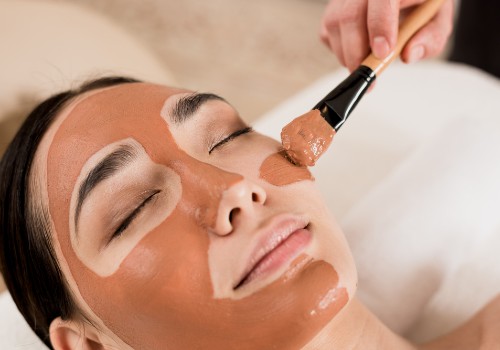
Face masks are magical because they can do the impossible: make blackhead removal relaxing and even fun.
Two common face mask ingredients are extremely effective at removing blackheads: clay and activated charcoal.
Clay is a natural compound that’s loaded with minerals. When it’s applied as a mask, it soaks up excess oil and helps lift away surface impurities.
As it dries, clay soaks up oil from the surface of your pores, which can make blackheads less noticeable with regular use.
Activated charcoal works in a very similar way, attracting and sticking to any oil, dirt, debris or dead skin in your pores.
If you have blackheads, look for a face mask that contains one or both of these ingredients to bust your blackheads and purify your skin.
You can also make your own mask by purchasing bentonite clay or charcoal powder, then combining the powder with equal parts aloe vera gel. Apply the mask, leave it on until it’s just barely dry, then remove it with warm water.
Get a Deep Clean with a Facial Cleansing Brush
Because blackheads lie inside your pores, they can be difficult or impossible to remove by cleansing with your fingertips.
If you’re sick of cleansing your face to no avail, consider using a facial cleansing brush instead.
A facial cleansing brush has bristles (usually nylon or silicone) that rotate or vibrate back and forth rapidly, similar to an electric toothbrush. As the brush moves over your skin, the bristles reach down into your pores to dislodge your blackheads.
Facial cleansing brushes are easy to use: just dab a bit of cleanser on your skin, then run the brush over it to get a deep clean that your fingers just aren’t capable of. Your skin will look and feel totally fresh, and there won’t be a blackhead in sight.
If you have sensitive skin, though, be careful when using a facial cleansing brush as it could irritate your skin. Use a gentle cleanser and a brush head with silicone bristles, as these tend to be easier on the skin than fibrous bristles.

- Removes makeup and excess oil while leaving skin feeling soft.
- Gives dry, sensitive skin a gentle cleanse without harsh cleansing agents.
- Keeps fragrance, dyes and essential oils out of your daily face wash.
Use a Gentle Exfoliant
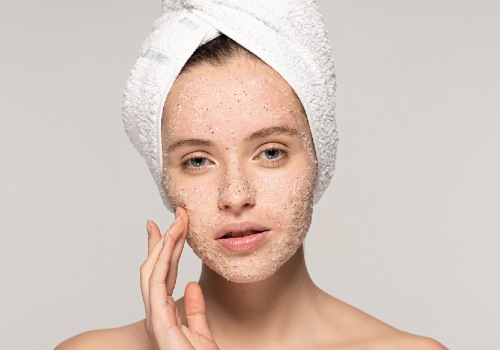
You know by now that dead skin cells are likely responsible for a good portion of your blackheads.
That’s why regular exfoliation is so important.
Exfoliation is the process of removing dead skin cells, often with a product called an exfoliant.
Exfoliants can be physical (such as scrubs with beads or other particles) or chemical (relying on acids like AHAs and BHAs) in nature. Either way, their job is to get rid of your dead skin cells, making room for new, healthy cells.
You should exfoliate your skin at least once a week. Those with oily skin can typically handle exfoliation three times a week, while those with dry skin may experience irritation if exfoliants are used more than once a week.
It’s important to use the gentlest possible exfoliant that still gets the job done. Using one that’s too harsh could actually make your blackheads worse by damaging your skin, causing more skin cells to die and more oil to be produced.
Look for a physical exfoliant with smooth particles like jojoba beads, avoiding ones with jagged particles that can tear the skin. If you opt for a chemical exfoliant, choose one with salicylic acid or glycolic acid as the active ingredient.
Look Into Chemical Peels
If regular exfoliants aren’t cutting it for your blackheads, you may need to bring out the big guns: chemical peels.
Chemical peels are solutions made with strong yet safe acids that remove the outer layer(s) of your skin. Any surface-level imperfections (like very shallow scars, light hyperpigmentation or pore clogs) get removed in the process, leaving you with newer, healthier skin.
But there’s typically a recovery period associated with chemical peels. Since they remove so much of your skin at once, your face may feel tender, itchy or inflamed for up to two weeks after a peel.
For this reason, chemical peels should be used only if milder blackhead removal methods have failed.
Tempted to tackle stubborn blackheads with a strong peel? Book a professional for that step—concentrated acids can leave you with burns instead of clearer skin. At home, stick with products made for blackheads and follow the directions.
And if you have sensitive skin, avoid at-home peels altogether. You’re much better off leaving harsh skin treatments to your dermatologist or esthetician.

- Pairs moisture with broad-spectrum SPF 40 protection when used as directed.
- Helps skin feel softer and fine lines look less noticeable through hydration.
- Works alone or under makeup, making daily sun protection easier to fit in.
Ask About Microdermabrasion
If nothing else seems to be working, your blackheads may be considered permanent.
Don’t freak out, though — permanent, in this case, just means that they’ll require more intensive treatment to get rid of.
Microdermabrasion can be an excellent treatment option for stubborn, permanent blackheads.
It involves the use of a device that’s tipped with tiny crystals. The crystals remove the outer layer of your skin, while a suction tube in the device sucks excess sebum and clogs out of your pores.
You should ask your dermatologist if microdermabrasion is right for you. Your doctor will be able to analyze your skin and determine whether it will respond well to the treatment.
Don’t start microdermabrasion until you’ve gotten a thumbs-up from a professional. This treatment has the potential to irritate or damage your skin, so it should only be considered if your blackheads haven’t responded to other methods.
Consider a Pore Vacuum
If you’ve ever wished that you could just vacuum all those blackheads out of your skin, rejoice! You can do exactly that with an inexpensive device called a pore vacuum.
It’s exactly what it sounds like: a device that uses suction to loosen and remove blackheads from your pores. All you have to do is run it over your clean skin in long, smooth motions and watch your clogs get vacuumed up.
The downside: some people experience persistent redness and even bruising after using a pore vacuum. If you have sensitive, mature or damaged skin, you may need to use the lowest power setting or avoid pore vacuums altogether.
However, many people love pore vacuums because they don’t require you to start using yet another cream or serum. Nor do they require expensive in-office treatments or long adjustment periods — just turn the vacuum on and get instant results.
Is There a Way to Prevent Blackheads?

As with many health woes, prevention of blackheads is easier than reversal. Here are a few simple tips for preventing future blackheads.
Always Remove Your Makeup Before Bed
Going to sleep with your makeup on is a surefire way to wake up with blackheads. Makeup combines readily with oil and dead skin cells, resulting in extremely sticky clogs that suffocate your pores.
Always remove your makeup with a gentle makeup remover before you head to bed. Even if you’re too tired to carry out the rest of your evening skincare routine, don’t skip makeup removal!

- Lifts away face and eye makeup for an easier end-of-day cleanse.
- Helps soothe skin while removing everyday impurities.
- Needs no rinsing, so you can cleanse with a cotton pad wherever you are.
Keep Your Hair and Pillows Clean
If you’ve got an oily scalp, it may not matter how well you cleanse your face. You could still end up with blackheads thanks to your hair and pillows.
Scalp oil clogs pores just like face oil does, so if your oily hair or pillowcases touch your face, expect clogged pores to appear shortly after. This is especially problematic if you have long hair, which is more likely to get in your face.
The solution: wash your hair and pillowcases regularly to avoid blackheads caused by your scalp oil.
Stop Smoking and Drinking
Cigarette smoke is a major air pollutant, and if the air around you is polluted, your skin will be too. The chemicals from smoke can build up in your pores, contributing to blackheads.
And cigarette smoking also constricts your blood vessels, reducing your skin’s ability to stave off blackheads by cleaning itself out.
Drinking alcohol has a similar effect, though in this case, the pollution comes from the inside out. Alcohol interferes with your hormone production, throwing your skin off-balance and causing more frequent blackheads.
If you drink and/or smoke, consider cutting back or quitting. Not only will your blackheads become much easier to deal with, you’ll be healthier overall.
Say Goodbye to Clogged Pores: Your Route to Radiant Skin

The Best Pore Vacuum Guide
